
Global Warming Could Skew Reptile Sex Ratios and Lead to Extinctions
Deep in the leaf litter, where the forest floor breathes a silent, humid sigh, a symphony of minuscule life plays out. A millipede, like a living, segmented train, navigates a microscopic landscape of decaying oak leaves. Beneath a damp stone, a colony of ants meticulously tends to its fungal gardens, their tireless movements a testament to community and purpose. For me, the resident entomologist here at ‘Wandering Science,’ this hidden world is not just a fascination; it’s the very pulse of our planet, a complex machine where every tiny gear, every minute interaction, holds profound significance. And it’s within this intricate dance, often unseen, that we find the first whispers of a looming crisis, one that threatens not just the creatures of the undergrowth, but the very fabric of life as we know it.
We often look to the grand vistas, the charismatic megafauna, when contemplating environmental shifts. But the true story, the raw data of change, is frequently written in the subtle alterations of temperature, moisture, and light that govern the lives of the smallest organisms. These foundational elements dictate the emergence of a beetle from its pupa, the bloom of a fungus, the very breath of the soil. And it is precisely these foundational elements, now increasingly unstable, that are beginning to unravel the most fundamental processes for some of earth’s most ancient inhabitants: the reptiles.
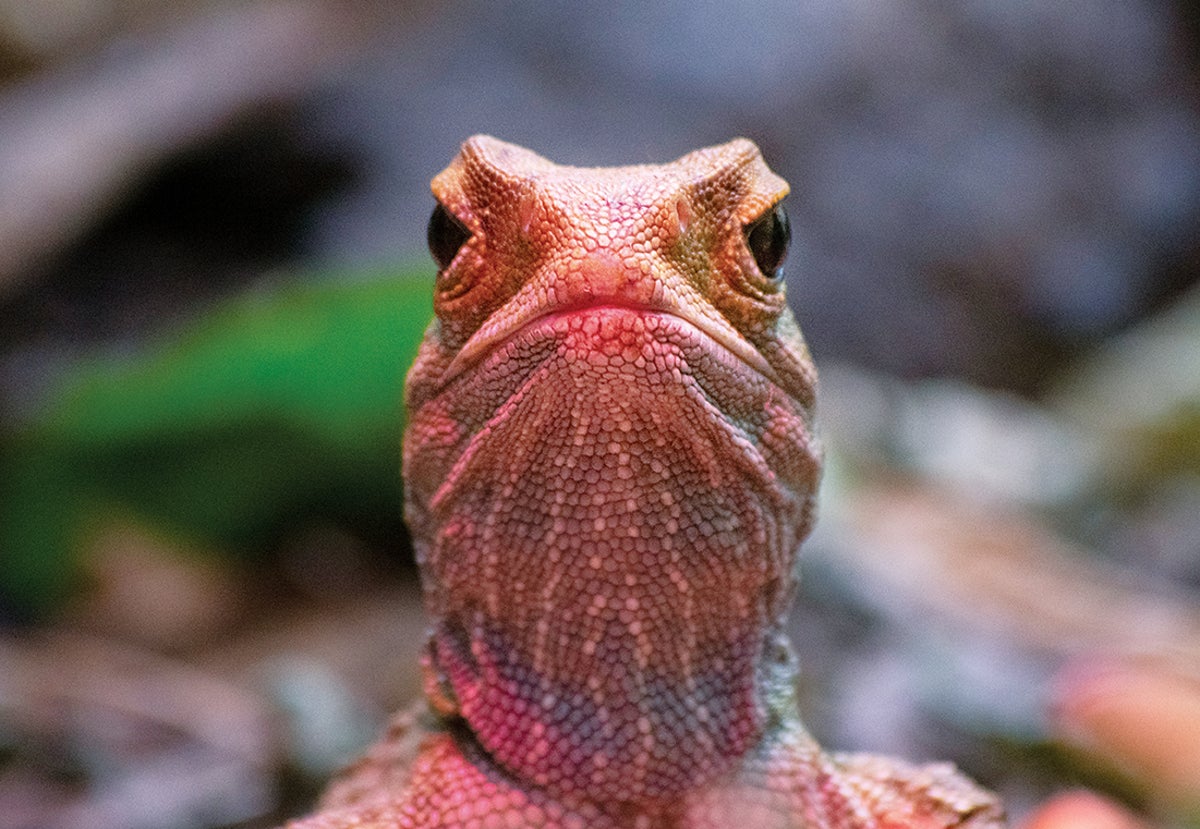
The scientific community has been sounding alarms for years, and the evidence is now undeniable. Many species of turtles, crocodilians, and some lizards don’t determine the sex of their offspring genetically, like humans or most birds. Instead, their fate is sealed by the temperature at which their eggs incubate. This phenomenon, known as Temperature-Dependent Sex Determination (TSD), means that a few degrees difference during a critical period of embryonic development can dictate whether an egg hatches as male or female. Typically, there’s a Goldilocks zone: a specific temperature range that produces a balanced ratio of sexes. Outside that range, you might get all males or all females. And with global temperatures steadily climbing, those critical zones are being pushed to their absolute limits, threatening to skew populations irrevocably.
Consider the delicate balance required. For many turtles, cooler temperatures during incubation lead to males, while warmer temperatures produce females. Imagine a loggerhead sea turtle, whose ancient lineage has navigated oceans for millions of years. Its eggs, buried on sun-drenched beaches, are now facing an unprecedented challenge. A beach that once offered a mosaic of temperatures, allowing for a healthy mix of male and female hatchlings, is becoming uniformly warmer. This isn’t just a minor shift; it’s a profound re-engineering of demographics. We’re seeing populations where females vastly outnumber males, sometimes by ratios as extreme as 9 to 1, or even higher. While more females might sound good for reproduction initially, a severe lack of males eventually means fewer successful mating opportunities, leading to a precipitous drop in reproductive output and, ultimately, population collapse.
This isn’t a future problem; it’s happening now. From the riverbanks where alligators nest to the sandy shores frequented by sea turtles, the effects of a warming planet are already manifest. The incubation period, often lasting weeks or months, becomes a thermal gauntlet. A prolonged heatwave, once a rare event, now becomes a common occurrence, pushing nest temperatures above the ‘male-producing’ threshold entirely. The result is a generation, and then another, born with an overwhelming female bias, a demographic time bomb ticking away beneath the sand. And it’s not just the direct impact on sex ratios; elevated temperatures can also reduce hatching success, increase developmental abnormalities, and even affect the health and vigor of the hatchlings that do emerge, making their already perilous journey into the world even more challenging.
The ripple effects of such a dramatic shift extend far beyond just the reptiles themselves. Every creature, from the smallest springtail to the largest apex predator, is interwoven into a complex web of life. Reptiles, particularly those like lizards and snakes, play crucial roles in their ecosystems as both predators and prey. They help regulate insect populations – a topic close to my heart! A decline in lizard numbers, for instance, could lead to an explosion of certain insect species, disrupting agricultural cycles or even spreading diseases. Conversely, many reptiles are a vital food source for birds of prey, mammals, and even other reptiles. Remove them from the equation, and you create a void that destabilizes the entire food chain, impacting everything from the diet of a passing heron to the foraging success of a local fox. The intricate balance of a forest, a desert, or a wetland, honed over millennia, begins to fray at the edges, jeopardizing countless other species, many of them small, unassuming, and equally vital.
Think of the insects and arachnids that share these reptile habitats. The very warmth that threatens a turtle’s eggs also dictates the life cycles of countless butterflies, beetles, and spiders. Shifts in temperature can alter their emergence times, their mating seasons, and the availability of their food sources. If a reptile species relies on a particular insect for sustenance, and that insect’s life cycle is thrown out of sync by climate change, the reptile suffers a double blow. It’s not just about finding a mate; it’s about finding sustenance in a world increasingly out of rhythm. The unseen connections are profound: changes in soil temperature affect not only reptile nests but also the soil microbes, the fungi, and the invertebrates that form the very foundation of the ecosystem’s health. It’s a cascading effect, where the initial trigger – a few degrees of warmth – reverberates through every level of existence.
And let’s not forget the other pressures. Habitat loss, pollution, and direct human interference already push many reptile populations to the brink. Global warming, with its insidious manipulation of sex ratios, adds another layer of existential threat, a silent, invisible hand tipping the scales against survival. It’s a stark reminder that our actions, however distant they may seem from a sea turtle nest or an alligator swamp, have profound and often unexpected consequences for the planet’s most vulnerable inhabitants. The small world, the hidden world, is often the first to feel these tremors, and its subtle shifts are the most important warnings we can heed.
So, where can a curious traveler, a ‘Wandering Scientist’ in their own right, go to witness these phenomena, to understand the stakes firsthand? Coastal regions are ground zero for sea turtles. Places like the nesting beaches of Florida, Costa Rica, or Australia offer opportunities to observe conservation efforts, though often from a respectful distance. National parks and wildlife refuges in the southern United States, particularly in areas with alligator and crocodile populations, provide glimpses into their nesting behaviors. Even in your own backyard, observing local lizard populations can offer clues. Notice when eggs are laid, how long they incubate, and if you’re lucky enough to see hatchlings, observe their numbers and health. While direct observation of sex ratios is difficult without scientific intervention, understanding the thermal environment of their nests is key. Engaging with local nature centers, zoos, and conservation groups can provide invaluable insights and opportunities for involvement.
Many dedicated scientists and conservationists are working tirelessly to mitigate these impacts. Hatcheries are experimenting with shading nests, relocating eggs to cooler sites, or even using artificial incubation to achieve more balanced sex ratios. Citizen science initiatives, where volunteers help monitor nesting sites and collect data, are absolutely crucial. These efforts, driven by passion and a deep understanding of ecological principles, offer a glimmer of hope. They remind us that while the challenges are immense, human ingenuity and dedication can make a difference. Every small action, from reducing your carbon footprint to supporting conservation organizations, contributes to the larger effort to protect these ancient lineages.
The fate of the world’s reptiles, determined by the warmth of their nests, serves as a powerful, poignant indicator of our planet’s health. It’s a story whispered not by roaring lions or soaring eagles, but by the quiet hum of an ecosystem struggling to maintain balance. The hidden world, the one I cherish and study, is shouting a warning. If we listen closely, if we act decisively, we can still safeguard the intricate, beautiful web of life, ensuring that the ancient rhythms of nature continue for generations to come. The future of these magnificent creatures, and indeed, countless others, rests on our collective understanding and our urgent response to the subtle, yet profound, changes beneath our feet.

About admin
A curious explorer documenting the intersection of science and travel. Join the journey to discover the hidden stories of our planet.
Leave a Reply