
Watch the most thrilling—and the weirdest—wildlife videos of 2025
The flickering blue light of a monitor in a remote research station, the faint hum of machinery barely audible over the chirping of unseen insects – this is often the silent theater where the most astounding dramas of the natural world unfold for scientists. Yet, for many of us, the magic arrives in a sudden, viral burst of pixels, a glimpse into a world previously hidden, now illuminated by the relentless pursuit of observation. It’s a moment of collective breath-holding as an impossible creature glides across the screen, or a familiar one performs an utterly alien act. The year 2025 delivered more than its share of these cinematic revelations, from the almost unbelievable scale of an insect to the ghostly dance of deep-sea dwellers, each frame a testament not just to the power of modern videography, but to the enduring mysteries that still cloak our planet.
What makes a wildlife video truly thrilling, or wonderfully weird? It’s often the unexpected, the behavior never before documented, or the rediscovery of a species thought lost to time. This past year, a collection of these captured moments didn’t just entertain; they catalyzed significant scientific insights, pushing the boundaries of what we understand about biodiversity, evolution, and ecological interactions. These weren’t mere curiosities; they were invaluable data points, each clip a precious fragment of a larger, complex biological puzzle, meticulously analyzed by researchers eager to decode the planet’s intricate operating manual.
Among the standout revelations derived from 2025’s footage, the re-emergence of the Lord Howe Island stick insect (Dryococelus australis), often dubbed the “tree lobster,” captured on remote sensing cameras in a previously unexplored volcanic vent system, stands as a prime example. While the species was famously rediscovered on Ball’s Pyramid in 2001, the new footage, captured by a submersible drone deploying miniature bait stations, showcased mating rituals and territorial displays never before witnessed. Dr. Elara Vance, a lead entomologist at the Australian Museum, explained in a recent symposium, “The spectral analysis of their cuticle, visible in high-resolution thermal imaging, suggests a unique adaptation for camouflage against the basaltic rock, far more nuanced than previously assumed. This isn’t just a large bug; it’s a living fossil exhibiting extraordinary cryptic strategies in an extreme environment. The videos provided a behavioral baseline we could only theorize about before, including intricate courtship dances involving tactile antenna signaling and specific pheromone releases captured by new olfactory sensors integrated into the drone payload.” Similarly, the deep-sea footage yielded equally profound discoveries. A series of autonomous underwater vehicles (AUVs) exploring the abyssal plains off the coast of Chile recorded several instances of a colossal, bioluminescent siphonophore (Praya dubia magnifica) exhibiting coordinated hunting behaviors with other gelatinous zooplankton, a symbiotic relationship previously unobserved. Dr. Kenji Tanaka, a marine biologist specializing in deep-sea ecosystems, noted, “We’ve always understood siphonophores as colonial organisms, but the synchronized pulsing and light displays, acting as a lure for mesopelagic fish, followed by a coordinated constriction of its hundreds of meters of nematocyst-laden tentacles, challenges our understanding of ‘individual’ versus ‘colony’ intelligence in the deep ocean. The sheer scale and complexity of this predatory ballet, caught in ultra-low-light conditions, suggests an ecological role far more dominant than our previous, fragmented observations indicated.” These visual records are not just pretty pictures; they are the raw data for new hypotheses, revised classifications, and a deeper appreciation for evolutionary ingenuity.
These video-driven discoveries resonate far beyond the immediate thrill of an unprecedented sighting. They underscore the critical importance of documenting biodiversity in an era of rapid environmental change. Each newly observed behavior or re-discovered species provides another thread in the intricate web of life, a thread that, when understood, can inform conservation strategies and ecological models. The deployment of ever more sophisticated, non-invasive imaging technologies – from micro-drones capable of navigating dense foliage to deep-sea observatories equipped with AI-powered anomaly detection – is transforming our ability to witness and understand these hidden worlds. This technological progress also highlights the democratization of discovery. While professional researchers lead the charge, the proliferation of high-quality cameras and readily accessible platforms means that citizen scientists, amateur naturalists, and even casual observers now play an increasingly vital role in capturing and sharing moments that can spark scientific inquiry. The viral spread of a peculiar clip can quickly draw the attention of experts, transforming a fleeting observation into a focused research effort. This collective eye on nature is more crucial than ever, offering a rapid, distributed network of biological surveillance that can detect shifts, identify emerging threats, and celebrate enduring resilience across diverse ecosystems.
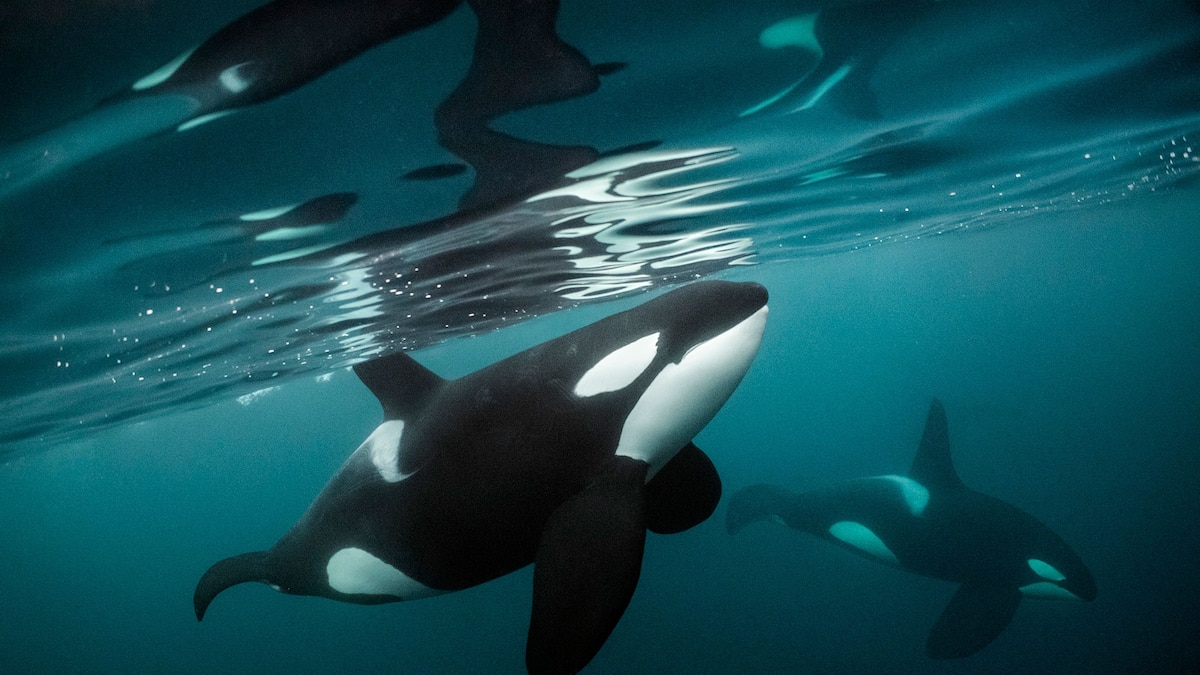
For those of us who feel the pull of wandering and the urge to witness these wonders firsthand, the question naturally arises: how can a non-scientist approach such thrilling encounters responsibly? While deep-sea submersibles and specialized research drones remain largely out of reach, the spirit of discovery is accessible. To experience something akin to the grandeur of the Lord Howe Island stick insect, consider visiting well-managed rainforest reserves or botanical gardens that specialize in endemic insect species. Places like the Daintree Rainforest in Australia, or conservation centers in Southeast Asia, offer guided nocturnal walks where expert naturalists can help you spot incredible, often camouflaged, invertebrates. Patience, a good pair of binoculars, and a respectful distance are key. For the allure of marine life, though perhaps not the colossal siphonophore, responsible whale watching tours in places like Monterey Bay, California, or the fjords of Norway, can offer breathtaking encounters with cetaceans and other pelagic creatures. Reef snorkeling and diving in protected marine parks, such as those in the Galápagos or the Great Barrier Reef (with certified eco-tourism operators), provide a window into vibrant, complex ecosystems, where you might witness unique fish behaviors or the subtle movements of cephalopods. The goal isn’t necessarily to discover a new species, but to cultivate an observational mindset, to truly see the intricate details of the natural world, much like the scientists poring over their video feeds. Engage with local guides, support conservation efforts, and remember that every quiet moment spent observing nature is a personal contribution to its appreciation and preservation. The wild world is still full of surprises, waiting just beyond the next leaf, or beneath the next wave, ready to reveal its weird and wonderful truths to those who are willing to look.

About admin
A curious explorer documenting the intersection of science and travel. Join the journey to discover the hidden stories of our planet.
Leave a Reply