
What Researchers Are Doing to Protect Christmas Trees in a Warming World
Deep in the fragrant needles of a young Fraser fir, a drama unfolds, unseen by most. A tiny, iridescent green aphid, no larger than a pinhead, meticulously probes the tender bark with its stylet, drawing sap. Nearby, a microscopic mite, barely a speck, clings to a needle, its eight legs anchoring it as it siphons chlorophyll. These aren’t just isolated instances; they are a constant, intricate ballet of life and survival playing out across every bough, every branch, every root system of the conifers we cherish, especially during the festive season. As the planet warms, this delicate balance is shifting, and the impact on our beloved Christmas trees, from the towering specimens destined for town squares to the humble tabletop varieties, is becoming alarmingly clear.
For an entomologist like myself, the forest floor and the canopy above are vast, bustling cities of six-legged and eight-legged inhabitants. We often overlook these creatures, dismissing them as mere ‘bugs,’ yet their roles are foundational. They are decomposers, pollinators, predators, and, yes, sometimes formidable pests. In a stable climate, the relationship between a tree and its insect inhabitants often reaches a dynamic equilibrium. A few aphids here, a sprinkle of mites there, perhaps the occasional bark beetle gallery – these are manageable pressures that a healthy tree can withstand. But climate change, with its erratic weather patterns, extended warm seasons, and increased stress on trees, is tipping the scales, empowering certain insect populations to become devastating forces.
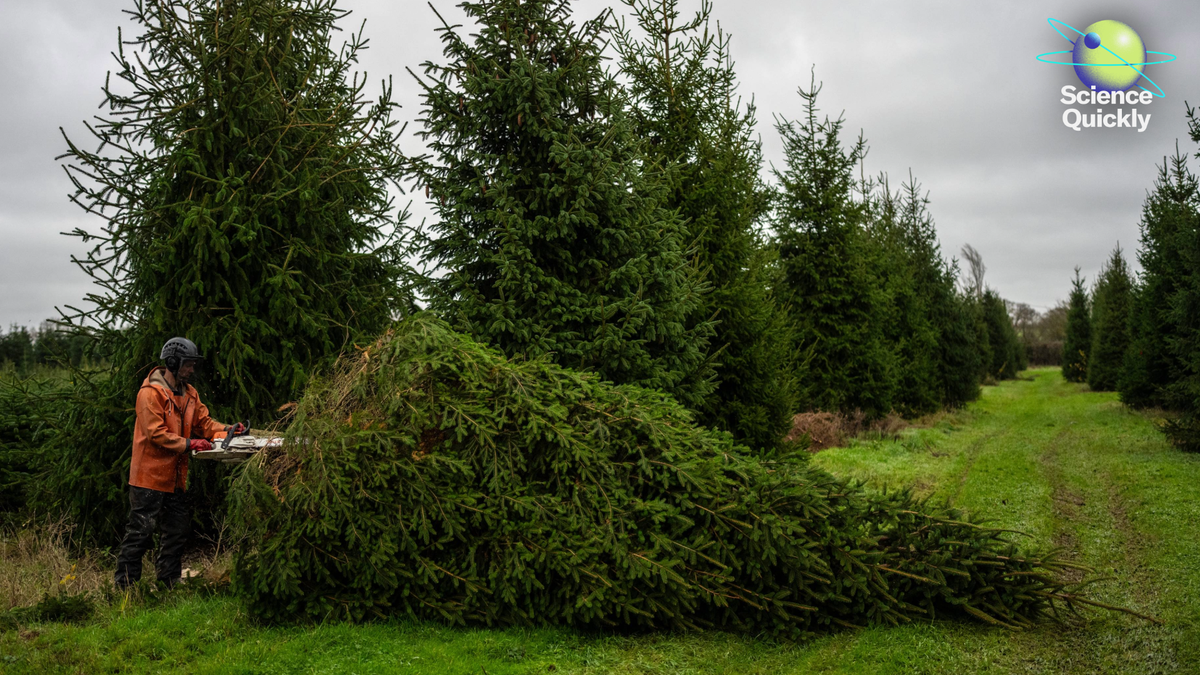
Researchers across North America and beyond are now meticulously observing these shifts. They’re seeing previously localized insect species expand their ranges, moving into new territories as temperatures become more hospitable. Insects that once had one generation per year are now squeezing in two, sometimes three, leading to explosive population growth. Consider the balsam woolly adelgid, a tiny, aphid-like insect that injects a toxin into fir trees, causing gouting and eventually killing them. Historically, its spread was limited by cold winters. Now, with milder temperatures, it’s marching further north, posing a significant threat to balsam and Fraser firs, two of the most popular Christmas tree species. Similarly, bark beetles, formidable destroyers of conifers, are enjoying extended breeding seasons and reduced winter mortality, leading to larger, more aggressive outbreaks. Scientists are deploying traps, satellite imagery, and even advanced genetic sequencing to track these insect movements and understand their enhanced virulence, creating early warning systems for growers.
The work doesn’t stop at observation. Researchers are diving deep into the genetics of both the trees and their insect adversaries. Can we breed Christmas trees that are naturally more resistant to specific pests? This involves identifying trees with natural defenses – perhaps thicker bark, compounds in their sap that deter feeding, or even genetic traits that make them less palatable. Simultaneously, entomologists are exploring biological control methods, bringing nature’s own police force into play. This might involve introducing parasitic wasps that lay their eggs inside pest aphids, or predatory beetles that feast on destructive mites. It’s a delicate dance, ensuring that any introduced ‘solution’ doesn’t become a problem itself, but the potential for sustainable, environmentally friendly pest management is immense. Imagine a future where a Christmas tree farm thrives not through chemical intervention, but through a carefully cultivated ecosystem of natural predators.
This intricate dance between tree and insect is a microcosm of the larger ecological web. When Christmas trees succumb to pests, it’s not just a blow to a holiday tradition; it ripples outwards. Forests are vital carbon sinks, crucial for regulating our climate. They provide habitat for countless other species – birds, mammals, fungi, and a myriad of other invertebrates. A widespread loss of firs due to adelgids or beetles means less food and shelter for chickadees and deer, altered soil composition, and changes in water retention. The health of the Christmas tree, therefore, is intrinsically linked to the health of the entire forest ecosystem. Researchers are studying these broader impacts, understanding how changes in insect populations on one tree species can cascade through the entire biome, affecting everything from nutrient cycling to biodiversity.
So, where can a curious traveler, an aspiring naturalist, or simply someone who cares about the future of our forests, go to witness this hidden world and the efforts to protect it? The beauty is, you don’t have to venture to the Amazon. Start with your local park, a nearby nature preserve, or even the Christmas tree lot itself. Look closely. Take a magnifying glass. Observe the needles, the bark, the soil around the base of the trees. You might spot the tell-tale white, waxy secretions of the balsam woolly adelgid on a fir branch, or the tiny, silken webs of spider mites on spruce needles. Many university extension offices and botanical gardens offer guided walks or educational programs that delve into forest health and insect ecology. Some Christmas tree farms, particularly those focused on sustainable practices, are open to visitors and eager to share their efforts in pest management and tree cultivation.
Citizen science projects are also a fantastic way to contribute. Organizations often recruit volunteers to monitor insect populations, track invasive species, or report tree health. Your observations, however small, can provide valuable data to researchers. Imagine knowing that your careful inspection of a pine tree in your backyard helped map the spread of a particular beetle, aiding in broader conservation efforts. It connects you directly to the scientific community and the urgent work of protecting our natural world.
The challenges facing Christmas trees in a warming world are significant, complex, and deeply rooted in the often-overlooked world of insects and arachnids. But through dedicated research, innovative solutions, and a growing appreciation for these small, yet powerful, creatures, there is hope. By understanding their lives, their vulnerabilities, and their adaptations, we can better protect the magnificent conifers that bring so much joy and ecological benefit. It’s a testament to the fact that even the grandest traditions often depend on the smallest inhabitants of our planet, reminding us that every life, no matter how small, plays an essential part in the grand design.

About admin
A curious explorer documenting the intersection of science and travel. Join the journey to discover the hidden stories of our planet.
Leave a Reply