
Inside the bone-crushing mating rituals of dinosaurs
Deep within the humid, oxygen-rich air of the late Cretaceous, under the colossal shadow of a blossoming magnolia-like tree, a scene unfolds that would make even the most seasoned modern biologist marvel. A tiny, iridescent jewel beetle, no larger than my thumbnail, meticulously picks its way across a discarded frond, its compound eyes scanning for the tell-tale shimmer of a mate or the promise of a fresh, decaying log. This is the world of the small, a bustling, intricate universe teeming with life, utterly oblivious to the earth-shaking drama about to commence just beyond the undergrowth. Yet, it is these very small creatures, these enduring insects and arachnids, that provide us with a unique lens through which to peer into the lives of giants long past, offering insights into their most intimate and violent rituals.
As the Resident Entomologist for Wandering Science, my passion lies in the hidden mechanics of ecosystems, the unsung heroes and overlooked observers that dictate the flow of energy and life. Even when contemplating creatures as magnificent and terrifying as dinosaurs, my gaze inevitably drifts to the ground, to the soil, to the air, searching for the whispers of the six-legged and eight-legged. And what a story they might tell from the Mesozoic! Imagine the sheer force, the ground-trembling vibrations, the guttural roars and shrieks as two behemoths, perhaps a pair of Triceratops, locked horns in a display of dominance, or a male Tyrannosaurus rex asserted his right to a mate. These weren’t polite courtships; they were displays of power, often involving brutal, bone-jarring contests. The fossil record, sparse as it is for such fleeting moments, hints at a world where courtship was a matter of survival, where the weak were culled, and the strongest genes prevailed through sheer, raw force.
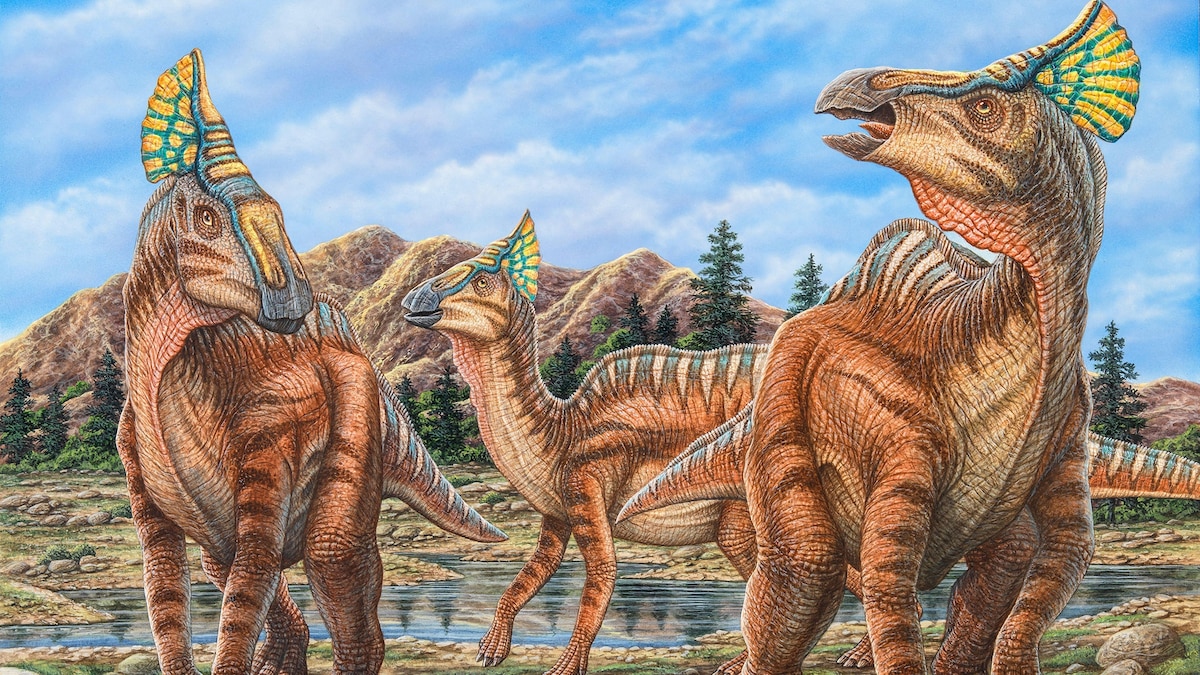
The remarkable discoveries that allow us to reconstruct these dramatic scenes often come in fragments – a fractured rib bone bearing the unmistakable puncture marks of a rival’s tooth, a skull with healed trauma consistent with head-butting, or even vast trackways indicating elaborate group displays. These aren’t just individual injuries; they are chapters in a larger narrative of struggle and triumph. A recent find, a partial pelvis of a juvenile hadrosaur, showed extensive scarring and even embedded tooth fragments, suggesting it was caught in the crossfire of a larger territorial or mating dispute. Such finds are rare jewels, offering tantalizing glimpses into the social dynamics of these ancient reptiles. But for me, the entomologist, these macro-fossils spark an immediate question: what micro-witnesses were present? What insects were disturbed by the thundering approach of a sauropod, or attracted to the blood scent of a wounded combatant? We might not find a fossilized beetle mid-flight from a charging Ankylosaurus, but we do find fossilized droppings, known as coprolites, sometimes revealing fragments of beetles, wasps, or even early ants. We find insect borings in fossilized wood, and even amber inclusions capturing ancient mosquitoes, some potentially having feasted on dinosaur blood. These tiny clues are the true entomological context, painting a picture of a world where every creature, no matter its size, played a part in the grand biological drama.
To truly appreciate the ecological context of dinosaur mating rituals, one must look beyond the titanic protagonists themselves. The Mesozoic was a vibrant, interconnected web of life, where the actions of the largest creatures reverberated through every stratum, down to the smallest decomposer. Imagine the sheer volume of organic material generated by a herd of long-necked sauropods migrating, or a pair of ceratopsians sparring. Shed skin, feathers (yes, many dinosaurs had them!), blood, and eventually, the fallen bodies of the vanquished. This was a feast for the insect world. Carrion beetles, their modern descendants still masters of rapid decomposition, would have swarmed fresh carcasses, laying eggs in the nutrient-rich flesh. Maggots, the larvae of ancient flies, would have quickly reduced flesh to bone, playing a crucial role in nutrient cycling. Dung beetles, of which fossil evidence exists from the Cretaceous, would have been indispensable, processing the colossal droppings of herbivores, preventing the landscape from being buried in waste and enriching the soil for plant growth. These insects weren’t just background players; they were the essential clean-up crew, the recyclers, the unheralded architects of the Mesozoic ecosystem, ensuring that the energy locked in these massive bodies was returned to the cycle of life.
Furthermore, the very act of dinosaur mating, beyond the immediate physical interaction, would have had ripple effects. The creation of nests – whether scraped depressions in the earth or carefully constructed mounds – would have disturbed soil, exposed invertebrates, and created microhabitats. The eggs themselves, warm and nutrient-rich, would have attracted opportunistic predators, including specialized insects. Imagine a clutch of dinosaur eggs, perhaps unguarded for a moment, attracting a swarm of ancient ants, or the larvae of parasitic wasps attempting to breach the shell. The sheer physical presence of these giants would have altered local microclimates, compacted soil, and influenced plant distribution, all of which directly impacted the insect populations. The roar of a mating dinosaur might have scattered a swarm of locusts, or a territorial clash might have inadvertently cleared a patch of forest, opening new niches for pioneering insect species. Every thunderous step, every display of power, every act of reproduction by these giants created a cascade of consequences for the world of the small, a constant reshaping of their immediate environment.
While we can’t hop into a time machine to witness these bone-crushing mating rituals firsthand, a traveler keen to connect with this ancient world and its hidden insect observers has several compelling avenues. Firstly, natural history museums around the globe are treasure troves. Places like the American Museum of Natural History in New York, the Royal Tyrrell Museum in Alberta, Canada, or the Senckenberg Natural History Museum in Frankfurt, Germany, offer unparalleled fossil displays. Here, you won’t just see the magnificent skeletons of dinosaurs, but often, carefully curated exhibits on their environments, including fossilized plants and, yes, sometimes even insect fossils or trace fossils unearthed from the same strata. Look for the small details in these displays – a fossilized beetle wing, an impression of a dragonfly, or even amber containing ancient arthropods – these are the direct links to the world our entomological ancestors inhabited alongside the dinosaurs.
Secondly, for a more immersive, imaginative experience, consider visiting modern ecosystems that share certain characteristics with the Mesozoic. The dense, humid forests of Costa Rica, the vast savannahs of East Africa, or the ancient temperate rainforests of Tasmania can offer a sense of scale and ecological complexity. While you won’t see dinosaurs, you will witness the intricate dance between large animals and their insect counterparts. Observe a herd of elephants, and you’ll see dung beetles rolling their precious cargo, flies buzzing around their eyes, and countless invertebrates thriving in the soil disturbed by their passage. This helps contextualize the sheer impact of large megafauna on their micro-environments. Focus on the ground, on the decaying logs, on the undersides of leaves – the hidden world of insects is just as vibrant and crucial today as it was 65 million years ago, constantly recycling, preying, and adapting, just as their ancestors did in the shadow of giants.
Finally, for those truly dedicated to understanding the interplay of giants and small wonders, consider visiting active paleontological dig sites or research institutions that specialize in micro-paleontology. While public access can be limited, many offer volunteer programs or educational tours. Here, you’ll witness firsthand the painstaking work of unearthing not just colossal bones, but also the tiny, often overlooked fossils of insects, pollen, and spores that reconstruct the full ecological picture. It is in these meticulous examinations of the ancient dirt that the hidden stories truly emerge, revealing a world where even the most bone-crushing mating rituals of dinosaurs were observed, influenced, and ultimately recycled by the ceaseless activity of the smallest, yet most enduring, creatures on Earth.

About admin
A curious explorer documenting the intersection of science and travel. Join the journey to discover the hidden stories of our planet.
Leave a Reply