
Rise in unwanted exotic pets due to energy costs, says charity
The quiet whir of a heat lamp, the gentle misting of a terrarium, the rhythmic click of a thermostat – these are the subtle orchestrations that keep many exotic pets alive and thriving in homes far from their native sun-drenched landscapes. For a bearded dragon, evolved for the arid plains of Australia, or a corn snake, accustomed to the temperate forests of the southeastern US, these artificial environments are not luxuries but necessities. They represent a fragile bridge between their ancient biology and the often-unforgiving climate of places like Scotland. But what happens when the very infrastructure of this bridge, the power grid itself, becomes an unbearable financial burden? The answer, increasingly, is a heartbreaking surrender, a quiet crisis unfolding in living rooms across the nation, far from the dramatic headlines.
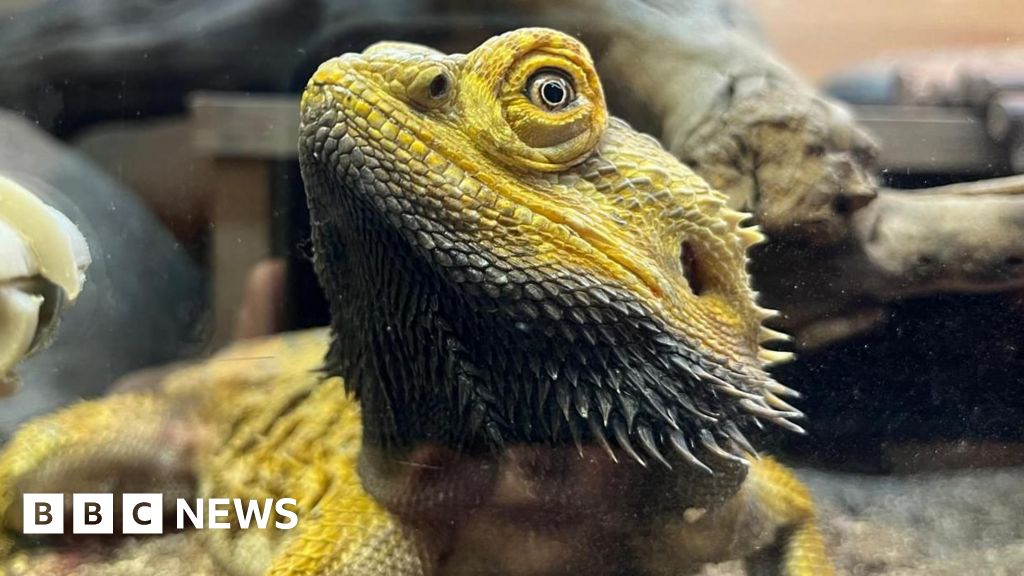
The biological imperative for warmth and specific environmental conditions in many exotic species is not a preference; it is a fundamental requirement for survival. Reptiles, amphibians, and many invertebrates are ectothermic, meaning they rely on external sources of heat to regulate their body temperature. Without precise thermal gradients – a range of temperatures from cooler to warmer within their enclosure – their metabolic processes simply cannot function correctly. A tortoise requires a basking spot reaching 35-40°C to digest its food, absorb calcium, and maintain a healthy immune system. A boa constrictor needs a consistent ambient temperature of 26-30°C to prevent respiratory infections and lethargy. The tools to achieve this in a temperate climate are energy-intensive: ceramic heat emitters, basking lamps, heat mats, and sophisticated thermostats that constantly monitor and adjust temperatures. These aren’t just for warmth; UV-B lighting is crucial for many diurnal reptiles to synthesize Vitamin D3, essential for calcium absorption and preventing debilitating conditions like Metabolic Bone Disease (MBD). Humidity levels, often maintained with misters and foggers, are equally critical for amphibians and many tropical reptiles to prevent dehydration and shedding issues. These complex, energy-hungry setups are why organisations like Scottish Exotic Animal Rescue are now reporting a significant increase in abandoned or surrendered exotic pets. Owners, facing unprecedented energy bills, are simply unable to provide the continuous, precise environmental controls these animals demand. The stark reality is that for many, the choice has become between heating their homes for their families or maintaining the life-sustaining warmth for their exotic companions. This isn’t merely about comfort; it’s about the very physiology of these creatures, pushed to their limits by the economic climate.
The surge in abandoned exotic pets due to energy costs casts a stark light on the broader ethical and practical challenges of the exotic pet trade itself. For decades, the allure of the unusual, the desire to own a piece of the wild, has driven a global industry worth billions. From brightly coloured chameleons to impressive pythons, these creatures often arrive in homes with little forethought given to their incredibly specific, long-term needs. Many are impulse purchases, acquired for their novelty rather than a deep understanding of their biology. While some exotic animals are captive-bred, a significant portion still originates from wild populations, raising concerns about biodiversity loss and the ecological impact on their native habitats. Once in human care, the initial purchase price is often a fraction of the true cost of ownership. Specialist veterinary care, custom-built enclosures, specific diets, and, critically, the energy required to replicate their natural environment, all add up. The current energy crisis, exacerbated by global events and inflation, has simply pushed many owners past their breaking point. This isn’t a problem isolated to Scotland; similar trends are being observed across the UK and parts of Europe, where rising living costs are forcing impossible choices upon pet owners. Rescue charities, already stretched thin, are now facing an unprecedented influx of animals requiring highly specialized care, further straining their limited resources, space, and expertise. These organisations often become the last resort, a sanctuary for animals whose complex needs have become too burdensome for their human companions, highlighting a systemic issue that goes beyond mere economics to touch on animal welfare, responsible pet ownership, and the very ethics of bringing the wild indoors.
For those of us drawn to the wonders of the natural world, who seek to understand the intricate relationships between organisms and their environments, the plight of these exotic pets offers a sobering lesson. While witnessing the surrender of an unwanted animal is a distressing experience, understanding the creatures themselves and the dedicated efforts to protect them can be an enriching journey. For the curious traveler or the aspiring scientist, numerous ethical avenues exist to observe and learn about exotic species without contributing to the problematic pet trade. Reputable zoos and wildlife parks, accredited by organisations like the British and Irish Association of Zoos and Aquariums (BIAZA) or the Association of Zoos and Aquariums (AZA) in North America, often house extensive collections of reptiles, amphibians, and other exotic animals. These institutions are not just exhibits; they are vital centres for conservation, research, and education, providing carefully controlled environments that meet the complex needs of their inhabitants. Many offer behind-the-scenes tours or educational programmes that delve into the specific husbandry requirements, behavioural ecology, and conservation status of these species. Similarly, some specialized exotic animal rescue centres, if they have public viewing areas or educational outreach programmes, can offer a direct insight into the challenges of caring for these animals and the dedication required. Visiting these places provides an opportunity to appreciate the profound beauty and biological complexity of these creatures, while simultaneously fostering a deeper understanding of why they belong in carefully managed, specialist environments – whether those are their native habitats or expertly curated captive settings – rather than in homes unprepared for their demanding requirements. It reminds us that true appreciation often comes from respectful distance, informed by science and a commitment to welfare.

About admin
A curious explorer documenting the intersection of science and travel. Join the journey to discover the hidden stories of our planet.
Leave a Reply