
Funding cuts could put research into emerging threats to lung health at risk
The air, that invisible, omnipresent ocean we all swim in, often feels like a given. We breathe without conscious thought, each inhale a silent affirmation of life. But what if that vital breath, that fundamental act, was slowly, subtly, becoming a vector for new, insidious threats? Imagine a clear autumn morning, the kind where the horizon stretches infinitely, only to find it later obscured by an ominous, orange haze from a distant wildfire. Or consider the seemingly innocuous soil beneath our feet, harboring fungal spores now expanding their reach, carried on the very currents we depend on. These aren’t scenes from a dystopian novel; they are the increasingly frequent realities of our changing world, and they pose a direct challenge to the very essence of our well-being: our lungs.
For decades, respiratory science has meticulously charted the known dangers – tobacco smoke, industrial pollutants, common allergens. Researchers have built a robust understanding of the delicate pulmonary system, developing treatments and preventative strategies that have saved countless lives. Yet, the environmental canvas is shifting dramatically, painting new portraits of peril that demand immediate, focused scientific attention. We are witnessing an unprecedented rise in phenomena like intense, prolonged wildfire seasons, the geographical creep of spore-spread fungal diseases, and the ubiquitous dispersion of microplastics – all of which are finding their way into our airways, often with poorly understood long-term consequences. The scientific community, ever vigilant, has begun to pivot, dedicating resources to map these emerging threats. But this critical redirection of effort is now facing a perilous headwind: significant and sustained cuts to government funding for respiratory research and related public health policy.
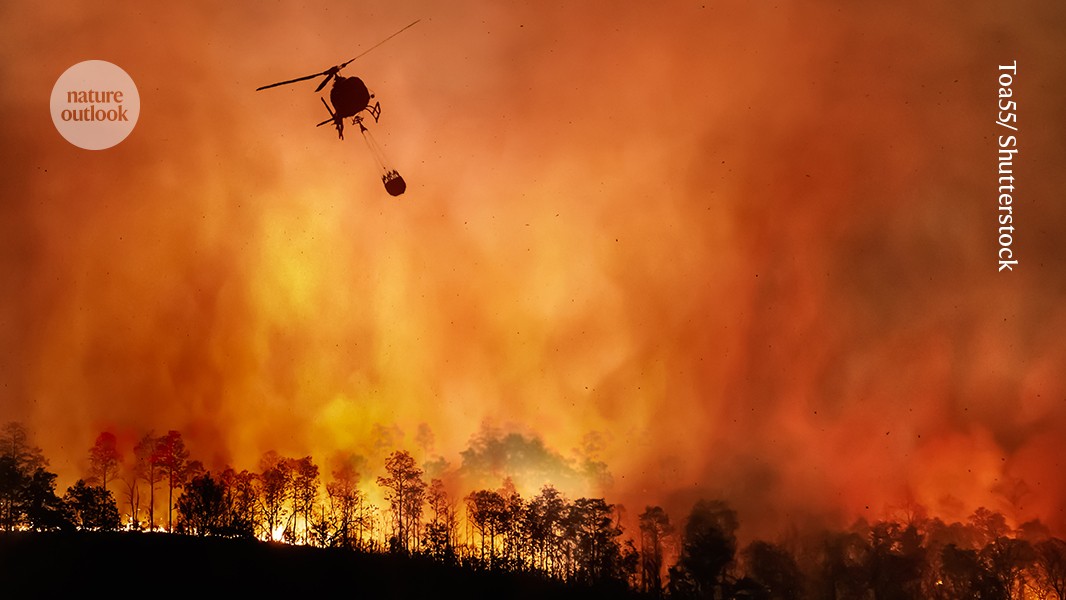
The hard science behind these emerging threats paints a stark picture of complexity and urgency. Wildfire smoke, for instance, is far more than just “smoke.” It’s a toxic cocktail of particulate matter, including ultra-fine particles (PM2.5) that can penetrate deep into the lung’s alveoli, along with volatile organic compounds, carbon monoxide, and heavy metals. Unlike urban smog, wildfire smoke’s composition varies wildly based on the burnt vegetation, temperature, and combustion efficiency, making its health impacts difficult to predict and quantify. Studies are revealing links not just to acute respiratory distress and exacerbation of asthma and COPD, but also to cardiovascular events, neurological issues, and even adverse birth outcomes, with effects potentially lingering for years after exposure. Researchers are racing to understand the specific inflammatory pathways triggered by these unique smoke compositions and to develop targeted interventions.
Simultaneously, the changing climate is redrawing the maps of infectious diseases. Fungal pathogens, once confined to specific endemic regions, are expanding their territories. Coccidioidomycosis, or Valley Fever, caused by the fungus Coccidioides, is a prime example. Its spores, residing in dry, dusty soil, become airborne when disturbed, leading to respiratory infections that can range from mild, flu-like symptoms to severe, disseminated disease. Warmer temperatures and altered precipitation patterns are creating more hospitable environments for these fungi, pushing their boundaries into new areas, often where clinicians are less familiar with diagnosis and treatment. Research is crucial to track these shifts, understand the molecular mechanisms of infection, and develop rapid diagnostics and effective antifungal therapies. Then there are microplastics. These microscopic fragments, shed from everything from synthetic clothing to car tires, are now known to be ubiquitous in our environment, including the air we breathe. Recent findings have detected microplastic particles deep within human lung tissue. While the precise physiological impact is still under investigation, concerns are mounting about their potential to induce inflammation, carry adsorbed toxins, or even act as physical irritants, potentially contributing to fibrosis or other chronic lung conditions. The sheer novelty of this pollutant means that basic research into exposure pathways, cellular responses, and long-term health effects is in its nascent stages, making sustained funding absolutely vital.
This surge of new respiratory challenges arrives at a particularly vulnerable moment. The US government, as highlighted by reports, is significantly scaling back its support for respiratory research and related public health initiatives. This isn’t merely a reduction in discretionary spending; it represents a strategic retreat from understanding and mitigating threats that are directly impacting public health. Such cuts ripple through the entire scientific ecosystem: they mean fewer grants for aspiring researchers, the closure of long-standing labs, and a chilling effect on innovative, high-risk, high-reward studies that are often the bedrock of scientific breakthroughs. It also hampers the development and implementation of robust public health policies, such as improved air quality monitoring systems, early warning networks for fungal outbreaks, and comprehensive guidelines for mitigating exposure to novel pollutants. The consequences extend beyond the lab and into the clinic, where doctors will be less equipped with the knowledge and tools needed to diagnose and treat these emerging conditions. Furthermore, these cuts undermine a global effort. Climate change and pollution know no borders, and the insights gained from US-funded research often contribute to a worldwide pool of knowledge, benefiting populations far beyond national boundaries. The interconnectedness of our planet means that a lack of preparedness in one region can have far-reaching implications for all.
For the wanderer, the non-scientist keen to witness the pulse of these changes, the evidence is often in plain sight, if one knows where to look. You might not observe a microplastic particle with the naked eye, but consider the pervasive plastic litter on a remote beach, knowing that these larger pieces are continually breaking down into the invisible fragments that ride the wind. Travel through the American West during late summer, and the once-pristine mountain vistas are now frequently shrouded in a persistent, acrid haze – a tangible manifestation of wildfire smoke, carried hundreds, even thousands, of miles from its source. Observe the daily air quality reports, now a common feature even in cities far from active burn zones, signaling a new normal. If you journey through parts of the southwestern US, you might encounter public health advisories about Valley Fever, particularly after dust storms or construction activities, serving as a stark reminder of unseen biological threats lurking in the soil. These aren’t just abstract scientific concepts; they are woven into the fabric of our everyday lives, subtly altering our experiences and reshaping our relationship with the natural world. The once-unquestioned act of breathing, free and easy, is now tinged with a new awareness, a quiet vigilance. To ignore the science, to defund the very efforts designed to understand and protect us, is to choose a future where the air we share becomes an increasingly perilous frontier.

About admin
A curious explorer documenting the intersection of science and travel. Join the journey to discover the hidden stories of our planet.
Leave a Reply