
Discover the story behind Spain’s prized jamón ibérico de bellota
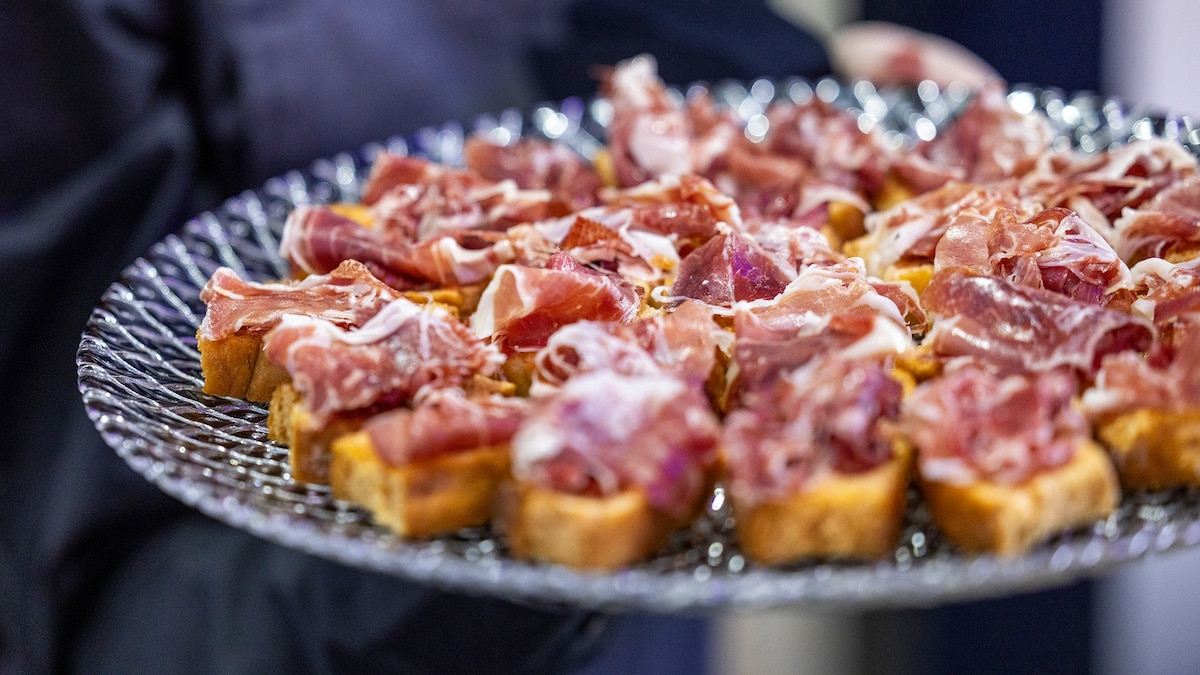
The air in the dimly lit Madrid bodega hums with hushed conversations and the clinking of glasses, a rich counterpoint to the deep red and white marble of the bar. A plate arrives, stark against the dark wood, holding slivers so thin they are almost translucent. Iridescent with a wine-red sheen and streaked with blush-pink fat, each piece of jamón ibérico de bellota shimmers under the soft light. As it touches the tongue, a complex symphony unfolds: first a rush of salty sweetness, then a nutty depth, followed by an umami richness that lingers, melting away into a surprisingly clean finish. This isn’t merely cured meat; it’s an experience, a distillation of Spanish landscape, tradition, and profound biological science. But what precise alchemy transforms a humble acorn and a specific pig into this culinary masterpiece, a flavor so singular it commands reverence and prices that reflect its artisanal journey?
The journey to this exquisite bite begins in the ancient *dehesas* – the vast, sun-drenched oak forests of western Spain and Portugal. Here, the Pata Negra, the black-footed Iberian pig, roams free, a creature uniquely adapted to its environment. Genetically distinct, these pigs possess a remarkable capacity for intramuscular fat infiltration, a trait crucial to the ham’s characteristic marbling. During the *montanera*, the acorn-feeding season from October to March, these fortunate pigs feast on fallen *bellotas* (acorns) – primarily from holm oaks and cork oaks. It is this diet, rich in oleic acid, that is the cornerstone of the ham’s distinctive profile. The oleic acid, also found in olive oil, is absorbed directly into the pig’s fat, fundamentally altering its composition. This scientific transformation results in the healthy, monounsaturated fat that gives jamón ibérico de bellota its characteristic silky texture and helps create the complex, nutty aromas that define it. The lean muscle also benefits, becoming richer in flavor precursors.
Following the *montanera*, when the pigs have reached their optimal weight and fat marbling, the hams embark on their next transformation: the curing process. This intricate ballet of salt, time, and microclimate is where raw material is elevated to art. The hams are first covered in sea salt for a period determined by their weight, a crucial step for dehydration and preservation. After desalting, they enter the *secaderos* – natural drying sheds, often located in the cooler, drier mountain regions of areas like Guijuelo, Jabugo, or Extremadura. Here, the hams hang, exposed to the natural air currents, slowly losing moisture. Over months, and sometimes years – often between 24 to 48 months, or even longer for the most prized hams – complex enzymatic reactions occur. Proteins break down into amino acids, fats oxidize, and a myriad of volatile compounds develop, creating the deep, savory, and aromatic profile unique to jamón ibérico. The precise temperature and humidity fluctuations of these traditional curing houses are not merely ambient conditions; they are active participants in the flavor development, fostering specific microbial communities that contribute to the ham’s final character. This extended maturation, a patient waiting game guided by generations of experience, is what allows the full spectrum of flavors to emerge, transforming a simple leg of pork into a culinary marvel.
Beyond the biological and chemical transformations, jamón ibérico de bellota holds a profound place in Spanish culture and history. For centuries, it has been more than food; it is a symbol of celebration, community, and the bounty of the land. Its origins trace back to ancient times, with evidence of cured hams found in Roman settlements on the Iberian Peninsula. Over millennia, the methods were refined, often in monasteries and rural communities, evolving into the sophisticated process we see today. The *dehesa* itself, the ecosystem where the pigs thrive, is a testament to sustainable agriculture, a carefully managed landscape of oak trees and pasture that supports biodiversity and traditional farming practices. The economic impact of this industry is significant, with strict regulations governing the various designations of origin (DOs), ensuring quality and protecting the heritage of the product. Each DO, from Jamón de Huelva (Jabugo) to Dehesa de Extremadura and Guijuelo, boasts subtle variations in flavor and curing traditions, a reflection of their unique microclimates and artisanal approaches. The art of carving, too, is a revered skill, with *maestros cortadores* (master carvers) meticulously slicing the ham by hand, understanding that the angle, thickness, and even temperature of each slice profoundly impact the tasting experience.
For the curious wanderer, the story of jamón ibérico de bellota is not confined to scientific journals or historical texts; it is a living narrative waiting to be explored across Spain. To truly appreciate this culinary icon, one must venture beyond the charcuterie board. Consider a trip to the *dehesas* themselves during the *montanera* season. In regions like Extremadura or Andalusia, you can witness the majestic black pigs freely roaming beneath ancient oak trees, foraging for acorns – a pastoral scene that connects you directly to the source of the flavor. Many producers now offer guided tours of their farms and *secaderos*, providing an immersive experience into the curing process. Imagine walking through vast cellars, the air thick with the aroma of aging ham, learning firsthand about the delicate balance of temperature, humidity, and time. Towns like Jabugo, Guijuelo, and Aracena are epicenters of this tradition, offering opportunities to visit curing houses, sample different grades of ham, and even learn the basics of proper carving. In cities like Madrid or Seville, seek out specialized *jamonerías* or local markets such as Mercado de San Miguel, where expert carvers demonstrate their skill and offer tastings alongside local wines or sherries. Engaging with the people who dedicate their lives to this craft – from the farmers to the curers and carvers – adds an immeasurable layer of understanding to each delicate slice. It transforms a simple meal into a profound connection with Spain’s land, its science, and its soul.

About admin
A curious explorer documenting the intersection of science and travel. Join the journey to discover the hidden stories of our planet.
Leave a Reply