
Deep in the hushed, verdant cathedral of the forest floor, where fallen leaves become intricate maps and every dewdrop holds a miniature cosmos, a drama unfolds largely unseen. A minute, iridescent springtail, no bigger than a pinhead, navigates a labyrinth of decaying oak leaves. Its furcula, a spring-loaded tail-like appendage tucked beneath its abdomen, is primed. A sudden vibration, perhaps from a passing beetle, and with an explosive snap, it launches itself into the air, a microscopic acrobat escaping danger. This creature, a member of the ancient order Collembola, represents just one of the countless, often overlooked, inhabitants that form the very bedrock of our terrestrial ecosystems. They are the ‘dark matter’ of our living world, their immense numbers and vital roles often going unnoticed, much like the vast stretches of DNA we are only just beginning to comprehend.
The Micro Hook: Unseen Worlds, Unsung Heroes
As the Resident Entomologist for Wandering Science, my passion lies in pulling back the curtain on these hidden lives. We often gaze at the majestic, the grand, the charismatic megafauna, yet the true engines of biodiversity, the silent architects of our planet’s health, are often found beneath our feet, in the canopy above, or even within the walls of our homes. Consider the springtail, a detritivore par excellence, tirelessly munching on decaying organic matter, cycling nutrients back into the soil, making life possible for everything from mighty redwoods to the smallest wildflower. Their sheer abundance – billions per acre in healthy soil – makes them ecological powerhouses. But how do these unassuming creatures achieve such resilience, such ubiquity, such evolutionary success? The answers, increasingly, are being found not just in their observable behaviors, but deep within their genetic code.
The Discovery: Unraveling Life’s Code, One Insect at a Time
For decades, scientists have grappled with the vast expanses of noncoding DNA – often dismissed as ‘junk DNA’ – that make up a significant portion of most genomes. This ‘dark matter’ of our genetic makeup, once a mystery, is now revealing itself as a critical regulator, a silent conductor orchestrating the symphony of life. The advent of advanced computational tools, particularly Artificial Intelligence, is revolutionizing our ability to decipher these complex genetic instructions. Imagine applying these groundbreaking AI models to the genomes of our insect and arachnid companions. What secrets might they unlock?
Consider the silk of a spider, a material stronger than steel by weight, yet flexible and biodegradable. Or the incredible detoxification enzymes of a beetle that allow it to consume otherwise poisonous plants. What about the precise navigational systems of a monarch butterfly, migrating thousands of miles, or the intricate social structures of an ant colony, governed by chemical communication? These astonishing biological feats are not solely encoded in the genes that produce proteins, but likely also in the regulatory regions, the noncoding sequences that dictate when, where, and how those proteins are expressed. AI can sift through these colossal datasets, identifying patterns and relationships that would be invisible to the human eye, helping us understand the evolution of venom, the development of wings, or the mechanisms of insect resistance to environmental stressors. This isn’t just academic curiosity; it’s fundamental to understanding life itself, and perhaps even to developing new materials, medicines, or sustainable agricultural practices.
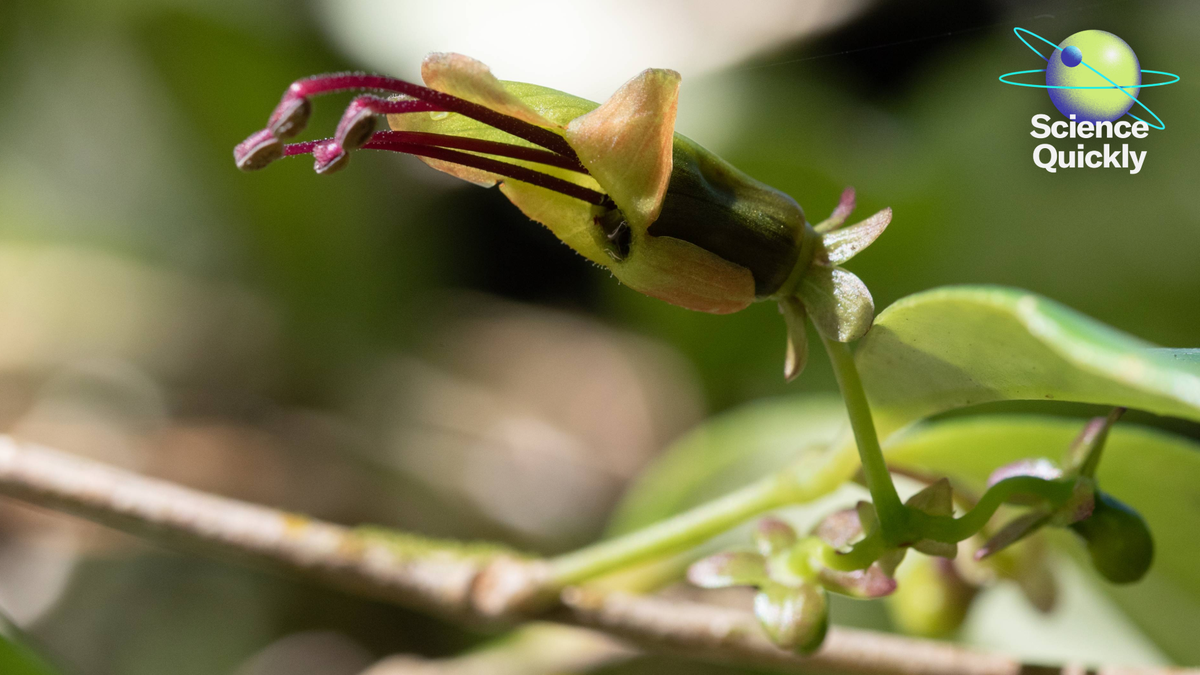
The headline’s mention of keeping a man alive without lungs, while seemingly far removed from entomology, speaks to the incredible advancements in understanding biological systems at a fundamental level. If we can apply such ingenuity to human physiology, imagine the potential for understanding the unique physiological adaptations of insects. For instance, many insects don’t have lungs in the mammalian sense; they breathe through a network of tubes called tracheae. Understanding the genetic and regulatory mechanisms behind their highly efficient oxygen transport systems could offer insights into respiratory health or even bio-inspired engineering. Similarly, cracking a botanical mystery with a peculiar flower underscores the interconnectedness of life; every organism holds clues to evolutionary puzzles, and often, insects play a critical role in those botanical stories, whether as pollinators, herbivores, or disease vectors.
Ecological Context: The Indispensable Threads of the Web
This deeper genetic understanding of insects and arachnids reinforces what ecologists have long asserted: these small creatures are not merely components of the ecosystem; they are its very fabric. Without them, the intricate web of life unravels. They are the primary decomposers, alongside microbes, tirelessly breaking down organic matter, enriching soil, and ensuring nutrient cycling. Think of the dung beetles, rolling away waste, or the termites, transforming dead wood into fertile soil. They are the pollinators, responsible for a third of the food we eat, ensuring the reproduction of countless plant species that form the base of most food chains. From the tiniest midge to the busiest bee, their work is indispensable.
They are also crucial predators and prey, regulating populations and transferring energy through trophic levels. Spiders, for instance, are vital pest controllers in almost every terrestrial habitat, consuming vast quantities of insects. Even the seemingly destructive insects, like leaf-eating caterpillars, are essential food sources for birds and other animals, driving the flow of energy through the ecosystem. When we understand the genetic underpinnings of their adaptations – their resistance to disease, their ability to survive extreme conditions, their reproductive strategies – we gain invaluable insights into the resilience of entire ecosystems. This knowledge becomes critical in an era of rapid environmental change, helping us identify vulnerable species, predict ecological shifts, and develop more effective conservation strategies. Their ‘dark matter’ DNA holds the secrets to the planet’s ecological stability.
The Field Angle: Where Can a Traveler Go to See This?
The beauty of entomology is that you don’t need to travel to a remote rainforest to witness incredible insect and arachnid life. The hidden world is everywhere, waiting for a curious eye. Your own backyard, a local park, or a nearby patch of woods are teeming with wonders. Here’s how to start your own ‘Wandering Science’ adventure:
- Start Small, Stay Local: Begin by exploring the nearest green space. A fallen log, a patch of wildflowers, or even the underside of a rock can reveal a bustling metropolis of life.
- Invest in a Magnifying Glass: This simple tool is your portal to the micro-world. Suddenly, the intricate patterns on a beetle’s wing, the delicate hairs on a bee’s leg, or the complex eyes of a jumping spider come into breathtaking focus.
- Go Nocturnal: Many of the most fascinating insects and arachnids are active after dark. A simple headlamp (preferably with a red light setting to disturb creatures less) can illuminate moths, nocturnal beetles, hunting spiders, and even scorpions (in appropriate climates). Look for eyeshine – the reflection of light off their eyes – in the leaf litter.
- Leaf Litter Exploration: Gently sift through a handful of leaf litter on a white sheet or tray. You’ll be astonished by the diversity of springtails, mites, pseudoscorpions, and tiny beetles that emerge. Remember to return them carefully to their home.
- Observe and Be Patient: Find a spot and simply sit quietly. Watch a flower for pollinators, observe an ant trail, or gaze at a spider web. The longer you watch, the more you’ll see. Document your observations with notes or photos.
- Citizen Science: Participate in projects like iNaturalist or the Great Backyard Bird Count (which often includes insect observations). Your findings contribute to real scientific data, helping researchers track biodiversity and distribution.
Every small discovery you make in the field, every observed behavior, every intricate detail you notice, adds another piece to the grand puzzle of life. And as AI helps us decode the ‘dark matter’ of their DNA, your field observations provide the crucial context, connecting the invisible genetic code to the vibrant, living world around us. So, step outside, look closely, and let the tiny inhabitants of our planet inspire your sense of wonder. The hidden world is waiting to be explored.

About admin
A curious explorer documenting the intersection of science and travel. Join the journey to discover the hidden stories of our planet.
Leave a Reply