
Rwanda is the trip of a lifetime. Here’s why you should go.
Deep in the ancient leaf litter of Nyungwe Forest, a world unfolds beneath the canopy that most eyes never register. A glint of iridescent emerald flashes, then vanishes, as a jewel beetle, Chrysochroa fulgidissima perhaps, meticulously navigates a miniature terrain of decaying leaves and fungal filaments. Its segmented antennae, constantly twitching, probe the damp air for subtle chemical cues, while its six delicate legs, tipped with microscopic claws, grip the slick surfaces with precision. This is not just a beetle; it is a living jewel, a biomechanical marvel, performing its vital role in the grand decomposition cycle, transforming detritus into the very nutrients that feed the towering trees above. To observe such a creature, even for a fleeting moment, is to witness the intricate engineering of life itself, a reminder that the most profound dramas often play out on the smallest stages.
The sheer ingenuity found within this hidden realm is breathtaking. Consider the leaf-mimic katydids of Rwanda, for instance, whose bodies are so perfectly evolved to resemble their botanical surroundings that they become virtually invisible. Their wings, often veined and mottled with brown spots, replicate the imperfections of a dying leaf, complete with bite marks and fungal blotches. Some even sway gently in the breeze, mimicking the movement of foliage, a behavioral adaptation that pushes their camouflage beyond mere visual trickery. These masters of disguise are not just curiosities; they are critical components of the forest’s acoustic landscape, their unique chirps and stridulations forming part of the nightly symphony, a complex communication network that allows them to find mates and warn rivals without betraying their presence to predators. Their existence underscores a fundamental truth: survival in the wild is often a game of exquisite subtlety and adaptation.
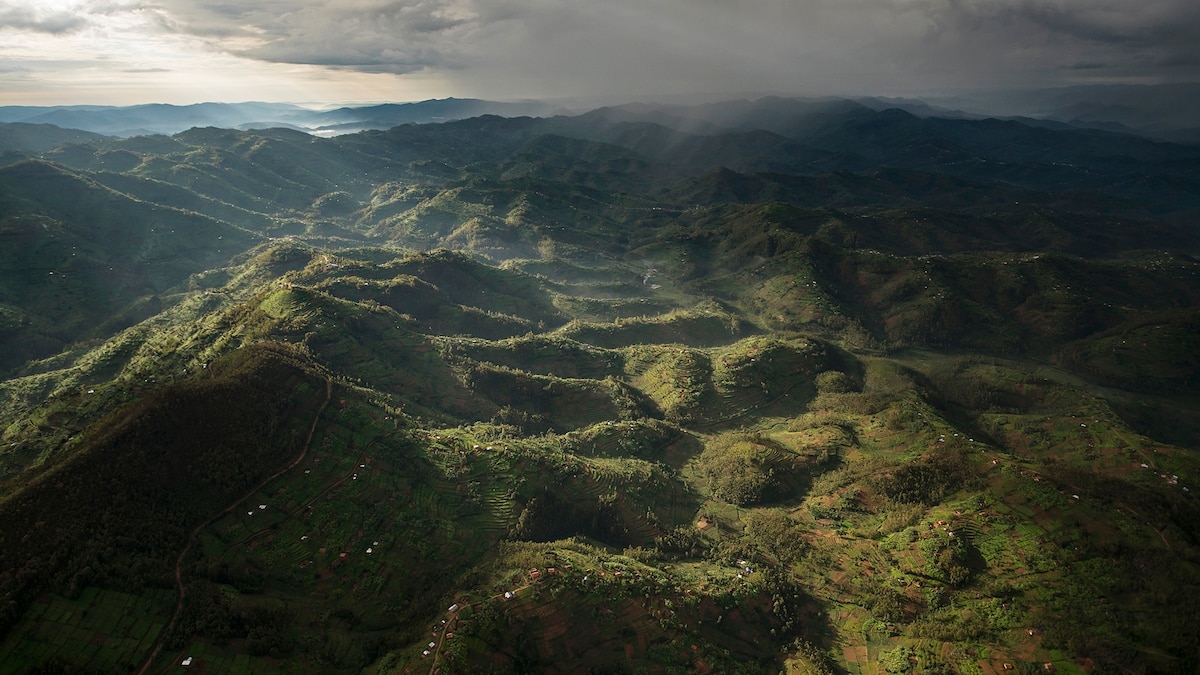
It’s this very subtlety that makes Rwanda such an extraordinary destination for anyone with an appreciation for the natural world, particularly its less celebrated inhabitants. While the majestic mountain gorillas and chimpanzees rightly draw global attention, their very existence, and indeed the health of their forest homes, is inextricably linked to the vibrant, buzzing, scuttling world beneath their feet. The fertile volcanic soils, nourished by millennia of insect activity, support the dense vegetation that forms the gorillas’ diet. Pollinators, from the smallest native bees to iridescent butterflies, ensure the reproduction of countless plant species. Decomposers, a vast army of beetles, termites, and millipedes, tirelessly recycle nutrients, preventing the forest floor from becoming choked with dead organic matter. Without these microscopic architects and engineers, the grand, iconic ecosystems simply would not function. Rwanda’s commitment to conservation, often highlighted through its primate populations, extends to and benefits this entire, often overlooked, biome.
The story of Rwanda’s recovery and conservation is one of the planet’s most inspiring narratives. A nation once scarred by tragedy has rebuilt itself with an unwavering focus on sustainability and ecological preservation. This dedication is evident in its national parks, which are not merely protected areas but thriving biodiversity hotspots. Nyungwe Forest National Park, a vast expanse of montane rainforest, is a prime example. It is one of Africa’s oldest forests and a biodiversity treasure chest, boasting an incredible array of plant life, 13 primate species, and over 1,000 recorded insect species, with many still awaiting scientific description. Here, the air itself often feels alive, thick with the hum of unseen wings and the rustle of tiny feet. Exploring its well-maintained trails offers countless opportunities to encounter a startling diversity of arthropods, from vibrant dragonflies patrolling forest streams to camouflaged stick insects clinging to branches, each encounter a small revelation.
Further north, Volcanoes National Park, while primarily famous for its mountain gorillas and golden monkeys, is another crucial habitat. The volcanic slopes, cloaked in dense bamboo and montane forest, create unique microclimates that support specialized insect communities. Imagine tracing the path of a safari ant column, a living river of disciplined soldiers, as they sweep across the forest floor, their collective intelligence a marvel to behold. Or perhaps spotting a species of dung beetle, meticulously rolling its precious sphere across the terrain, a vital scavenger ensuring the cleanliness and nutrient cycling of the forest. Even in the pursuit of the ‘big five’, the observant traveler will find a rich entomological landscape unfolding at their feet. The park’s commitment to habitat protection means that these smaller creatures, too, find refuge and thrive, underpinning the entire ecological pyramid.
And then there is Akagera National Park, a completely different biome altogether. This savanna ecosystem, with its rolling hills, wetlands, and lakes, presents a stark contrast to the dense forests. Here, the insect life adapts to drier conditions, with a different cast of characters dominating the scene. Grasshoppers with powerful leaping abilities, often adorned with striking warning colours, graze on the savanna grasses. Termite mounds, architectural wonders that can reach several meters in height, stand as silent sentinels, housing complex societies that play a crucial role in soil aeration and nutrient distribution. The sheer number of butterflies in Akagera, particularly during the wet season, can be overwhelming, their vibrant wings adding splashes of colour to the golden landscape. Each national park in Rwanda, therefore, offers a distinct window into the country’s diverse and thriving insect and arachnid populations, demonstrating the adaptability and resilience of these creatures across varied environments.
For the traveler keen to engage with this hidden world, Rwanda offers unparalleled access and opportunity. While guided gorilla treks focus on the primates, the journey through the forest itself is an education in entomology. Your guide, often intimately familiar with the local flora and fauna, can point out fascinating details you might otherwise miss. Consider carrying a macro lens for your camera; even a simple clip-on lens for a smartphone can transform your ability to capture the intricate beauty of an ant or the delicate webbing of a spider. Night walks, where available, are particularly rewarding, as many nocturnal insects and arachnids emerge, offering a completely different perspective on the forest’s activity. A headlamp with a red-light setting is invaluable for these excursions, allowing you to observe without disturbing the creatures.
Engaging with local communities and conservation initiatives can also enrich your entomological journey. Many lodges and tour operators work closely with local guides who possess an incredible depth of knowledge about the specific ecosystems they inhabit. Asking questions, expressing your interest in the smaller inhabitants, can open up conversations and lead to unique sightings. Remember, patience is key. The insect world doesn’t always announce itself with a roar or a trumpeting call. It requires quiet observation, a willingness to slow down, and an openness to the wonders that lie just beneath the surface, or clinging to the underside of a leaf. The reward is a profound connection to the intricate workings of nature, a deeper understanding of biodiversity, and an appreciation for the unsung heroes of Rwanda’s majestic landscapes.
Rwanda truly is a trip of a lifetime, not just for its iconic primates, but for the entire vibrant web of life that sustains them. From the smallest iridescent beetle to the most perfectly camouflaged katydid, these creatures are the silent architects and tireless workers of the ecosystem, holding the very fabric of the forest together. To visit Rwanda is to witness a nation’s triumph in conservation, and to look closely is to discover a world of wonder that will forever change how you perceive the natural world. It invites you to zoom in, to discover the extraordinary in the seemingly ordinary, and to leave with a renewed sense of awe for the planet’s magnificent, miniature inhabitants.

About admin
A curious explorer documenting the intersection of science and travel. Join the journey to discover the hidden stories of our planet.
Leave a Reply