
Ancient seafarers helped shape Arctic ecosystems
Deep in the leaf litter, beneath a sparse patch of Arctic willow, a tiny, segmented marvel stirs. A springtail, no bigger than a pinhead, navigates a labyrinth of decaying leaves and frozen soil particles. With a flick of its furcula – a tail-like appendage tucked beneath its abdomen – it launches itself into the frigid air, escaping a predatory mite. This miniature drama unfolds countless times each day across the vast, seemingly barren landscapes of the high north. It’s a world often overlooked, a universe of six and eight-legged wonders that thrive where others merely survive, and it is a world that holds secrets not just about its own resilience, but about the ancient journeys of humanity itself.
For too long, our gaze has been fixed on the grand narratives: the monumental migrations of caribou, the majestic flight of Arctic terns, or the epic voyages of human explorers. Yet, the true chroniclers of change, the silent witnesses to millennia of environmental shifts and human endeavor, are often the smallest among us. The insects and arachnids of the Arctic are not merely inhabitants; they are historians, their chitinous remains offering an unparalleled window into past climates, vegetation, and even the very routes taken by those intrepid human seafarers who first navigated the icy passages between continents. These creatures, often dismissed as mere “bugs,” are in fact the unsung heroes of paleoenvironmental reconstruction, providing granular detail that ice cores and pollen samples simply cannot.
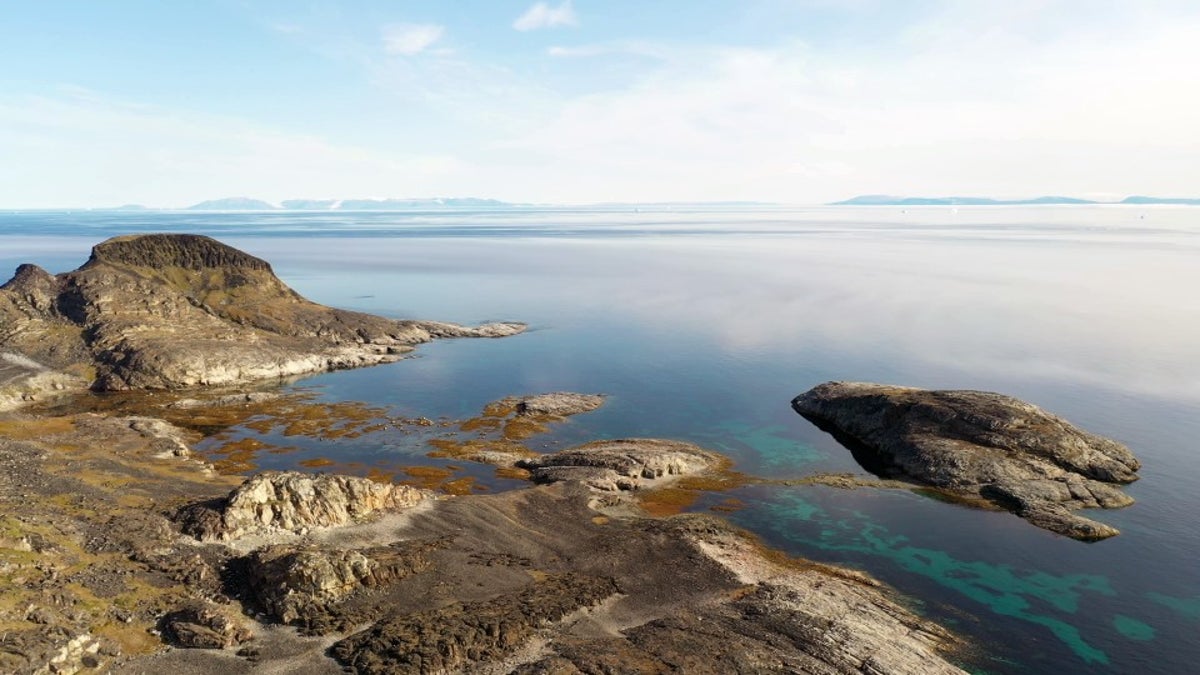
Imagine an archaeological dig site on a windswept coast of Greenland or Nunavut. Amidst the stone tools, bone fragments, and remnants of ancient hearths, a careful excavator sifts through layers of peat and sediment. It is here, in these seemingly mundane deposits, that the true treasures for an entomologist lie. Fragments of beetle elytra, the hardened wing cases of ancient ground beetles (Carabidae), can reveal precise temperature fluctuations from centuries past. The presence of specific fly puparia (the hardened skin of a fly larva) might indicate the proximity of human waste or animal carcasses, offering clues about settlement patterns and sanitation. Mite exoskeletons, particularly those of oribatid mites, are incredibly useful indicators of soil conditions and vegetation types. Even the humble flea, an unwelcome companion to humans and animals alike, can tell tales of migration. For instance, the discovery of specific species of fleas or lice in ancient human settlements can suggest contact with particular animal hosts or even track the movement of people across land bridges or sea routes, as these parasites often travel with their hosts. These microscopic pieces of evidence are not just curiosities; they are data points, meticulously collected and analyzed, painting a vivid picture of the Arctic environment at the time of human occupation, and crucially, how these environments were impacted by, or even facilitated, human expansion.
The connection between ancient human seafarers and the humble insect world is more profound than it first appears. As humans traversed the vast oceanic expanses, whether intentionally colonizing new lands or simply following migrating prey, they inadvertently became vectors for myriad small organisms. Insects, their eggs, or larvae could hitch rides in furs, on tools, within food stores, or even in the soil clinging to roots. A Viking longship might have carried not just warriors and traders, but also species of synanthropic beetles (those associated with human activity) that then established new populations in distant lands. The spread of certain stored product pests, for example, can be directly linked to ancient trade routes, echoing the very pathways taken by humans. These accidental introductions, while sometimes benign, could also have subtle but significant impacts on nascent Arctic ecosystems, introducing new competitors or altering existing food webs. Conversely, the absence of certain insect species at a site can also be telling, suggesting a lack of specific resources or environmental conditions that prevent their establishment, thereby providing further context to the human story.
From the perspective of an entomologist, the Arctic is not a barren wasteland but a vibrant, albeit specialized, ecosystem teeming with life. Every stone turned, every patch of moss examined, reveals a world of intricate adaptations. Arctic bumblebees, with their thick coats of hair, brave the chill to pollinate the hardy wildflowers. Chironomid midges, often emerging in swarms, provide a crucial food source for birds and fish, forming a vital link in the food chain. Spiders, often overlooked, are formidable predators, keeping insect populations in check. These creatures are the foundation of many Arctic food webs, supporting larger animals and playing essential roles in decomposition and nutrient cycling. The historical insights gleaned from insect remains at archaeological sites reinforce this interconnectedness, showing how humans, even in ancient times, were an integral part of this web. Their presence, their hunting practices, their settlements – all left an entomological signature, a subtle shift in the balance of species or the introduction of new ones, demonstrating that even the most remote and seemingly pristine environments have long been shaped by the interplay between human activity and the natural world, often mediated by the smallest inhabitants.
For the curious traveler, or even the armchair adventurer eager to connect with this hidden world, the Arctic offers unparalleled opportunities. While you might not be sifting through ancient middens, you can certainly observe the descendants of those ancient insect voyagers. A trip to places like Greenland, Iceland, or the Canadian Arctic Archipelago during the brief summer months will reveal a surprisingly active insect world. Look closely at the ground around Arctic poppies and saxifrage – you might spot a beetle scuttling across the tundra, or a tiny fly buzzing among the blossoms. Pack a small magnifying glass and spend time examining patches of moss and lichen; you’ll be astonished by the diversity of springtails, mites, and even minute spiders that call these micro-habitats home. Many national parks in the Arctic regions offer guided walks where naturalists can point out these often-missed inhabitants. Even simply observing a meltwater pond can reveal the aquatic larvae of mosquitoes and midges, testament to their ability to thrive in extreme conditions. These experiences offer a profound connection to the incredible resilience of life and remind us that understanding the grand sweep of history, whether human or environmental, often begins with appreciating the smallest, most overlooked elements of our world. The ancient seafarers, in their quest for new lands, carried with them not just their hopes and tools, but an entire hidden world of fellow travelers, whose stories we are only just beginning to decipher.

About admin
A curious explorer documenting the intersection of science and travel. Join the journey to discover the hidden stories of our planet.
Leave a Reply