
Why Vilnius, Lithuania, is Europe’s Christmas Capital
The first whisper of winter in Vilnius isn’t the biting wind off the Neris River, nor the crisp snap of frost on ancient cobblestones. It is, instead, the gentle hum of anticipation that begins to resonate through its UNESCO-listed Old Town as November yields to December. Suddenly, the city, usually a study in dignified historical stone and baroque grandeur, becomes something else entirely: a canvas of shimmering light, the air thick with the scent of pine, gingerbread, and mulled wine. Every archway glows, every square becomes a stage for festive markets, and the majestic Cathedral Square transforms into a breathtaking spectacle around its famously unique Christmas tree.
It’s a transformation that feels almost alchemical, drawing visitors from across the continent and beyond. But what elevates Vilnius from merely a charming European city with a lovely Christmas market to a contender for Europe’s Christmas Capital? Is it simply the aesthetics, the undeniable beauty of its decorations, or is there a deeper, more intricate interplay of history, urban design, and human psychology at play, meticulously orchestrated to create an unparalleled festive experience?
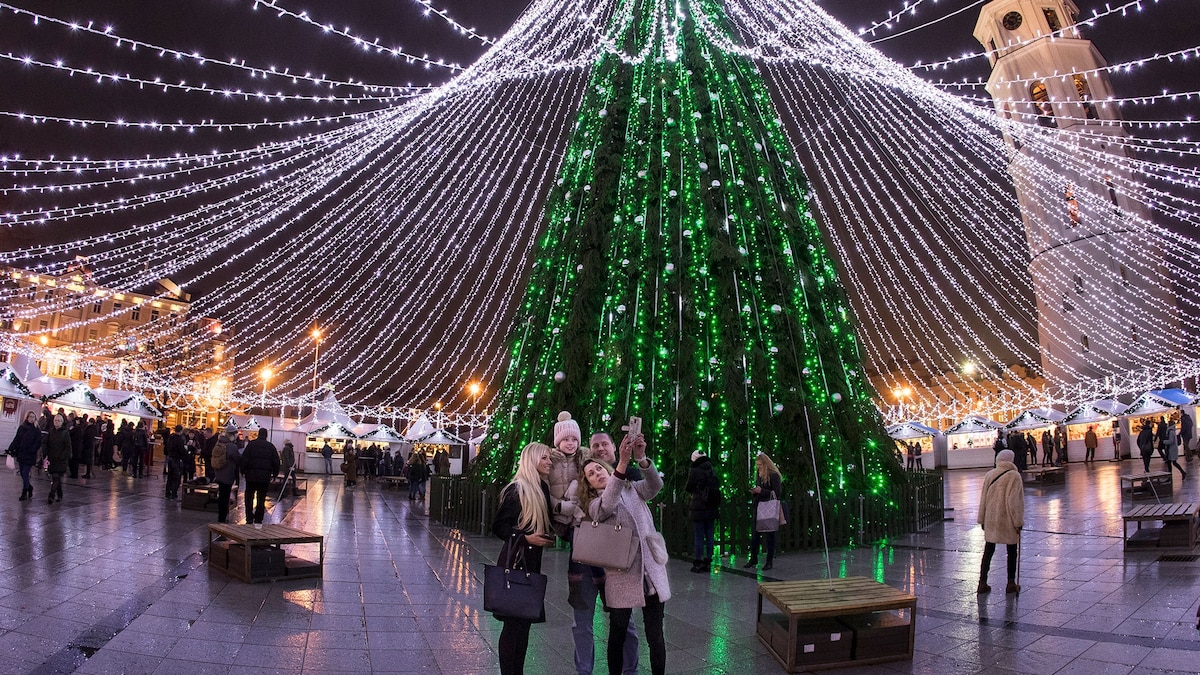
Indeed, the magic of Vilnius at Christmas is not accidental. It is the result of a subtle, yet profound, application of principles that bridge urban planning, cultural anthropology, and even cognitive psychology. The city’s planners and cultural strategists understand that creating a truly immersive festive environment goes beyond merely hanging lights. It involves curating multi-sensory experiences that tap into collective cultural memories and psychological responses to light, sound, and aroma. Research in environmental psychology, for instance, highlights how carefully designed public spaces, especially those incorporating natural elements and warm, inviting illumination, can significantly enhance feelings of well-being, community cohesion, and nostalgic joy. Vilnius leverages its historic architecture as a natural stage, allowing light installations to play off centuries-old facades, creating a dialogue between past and present that deepens the emotional resonance of the festive display.
Consider the strategic placement of light installations, particularly the iconic Vilnius Christmas tree on Cathedral Square. It’s not just a tree; it’s an architectural marvel, often designed with an innovative theme each year that garners international attention. This annual reinvention serves as a focal point for media, drawing global interest and reinforcing the city’s reputation for creative excellence. From a socio-economic perspective, this deliberate investment in unique, high-quality festive displays generates significant tourism revenue, extending the city’s peak visitor season and boosting local businesses. Studies in urban economics demonstrate how such cultural events act as powerful attractors, creating a positive feedback loop: more visitors lead to more investment in infrastructure and cultural programming, further enhancing the city’s appeal.
Beyond the immediate visual spectacle, the broader context of Vilnius itself contributes significantly to its Christmas charm. This is a city that has mastered the art of reinvention while fiercely preserving its layered heritage. Its UNESCO-designated Old Town is one of the largest surviving medieval old towns in Northern Europe, a labyrinth of narrow streets, hidden courtyards, and architectural styles ranging from Gothic and Renaissance to Baroque and Neoclassical. This historical depth provides an authentic backdrop that modern cities struggle to replicate, grounding the festive decorations in a tangible sense of history and tradition. The experience feels less like a manufactured spectacle and more like a natural outpouring of centuries of cultural celebration.
Vilnius also boasts a surprisingly sophisticated culinary scene, with Michelin-starred restaurants dotting its gastronomic landscape. During Christmas, these establishments, alongside charming cafes and traditional eateries, offer seasonal menus that elevate the dining experience, from hearty Lithuanian stews to refined contemporary dishes. This blend of high culture and accessible comfort food caters to a wide range of tastes, ensuring that visitors can indulge in both traditional festive fare and cutting-edge cuisine. Moreover, the city’s dynamic cultural scene extends beyond its ancient walls. The former Lukiškės Prison, once a symbol of repression, has been ingeniously transformed into ‘Lukiškės Prison 2.0,’ a vibrant hub for artists, musicians, and creative entrepreneurs. This adaptive reuse of a historic, albeit somber, space into a beacon of artistic freedom speaks volumes about Vilnius’s forward-thinking spirit and its ability to embrace new narratives.
Just a short walk from the Old Town lies Užupis, a self-proclaimed independent republic with its own constitution, president, and even an army (of about 12 men). This hip, bohemian neighborhood, characterized by its quirky art installations, galleries, and independent cafes, offers a stark contrast to the historical grandeur of the Old Town, yet it is equally enchanting. During Christmas, Užupis adds its own unique, often whimsical, flair to the festivities, proving that Vilnius is not afraid to blend tradition with an edgy, contemporary spirit. This juxtaposition of ancient and modern, solemn and playful, is a hallmark of the city and contributes to its multifaceted appeal, making it a place where every corner holds a new discovery.
For the traveler seeking to immerse themselves in this unique Christmas magic, Vilnius offers an abundance of opportunities. Start with a leisurely stroll through the Old Town, allowing yourself to get lost in the glowing alleyways. The main Christmas markets at Cathedral Square and Town Hall Square are essential, offering handcrafted gifts, local delicacies, and plenty of warm beverages. Don’t miss the chance to try Kūčiukai (tiny sweet pastries) and poppy seed milk, traditional Lithuanian Christmas Eve treats. Consider attending a Christmas concert in one of the city’s many stunning churches, where the acoustics and historical ambiance create an unforgettable experience. For a different perspective, take a walk across the Užupis Bridge, perhaps leaving a wish tied to its locks, and explore the creative energy of the ‘republic’s’ festive offerings, which often include artisan markets and unconventional street art.
Vilnius at Christmas is more than just a pretty picture; it is a meticulously crafted, deeply resonant experience that engages all the senses and speaks to the heart. It’s a city that understands the power of tradition, the allure of innovation, and the profound impact of well-designed urban spaces on human emotion. It’s this thoughtful integration of history, culture, and a subtle scientific understanding of human experience that truly positions Vilnius as a leading contender for Europe’s Christmas Capital, inviting explorers of all stripes to wander its illuminated streets and discover its enduring charm.

About admin
A curious explorer documenting the intersection of science and travel. Join the journey to discover the hidden stories of our planet.
Leave a Reply