
Is the grumpy-faced Texas horned lizard adorable enough to survive?
The desert floor shimmers, a mirage of heat rising from the sun-baked earth. A faint scuttling sound, barely audible over the hum of cicadas, breaks the stillness. Then, a tiny, ancient face emerges from beneath a creosote bush – a face that seems perpetually annoyed, adorned with a crown of formidable horns. This is Phrynosoma cornutum, the Texas horned lizard, a creature as emblematic of the Lone Star State as bluebonnets or longhorns. Its flattened body, perfectly camouflaged against the sandy soil, moves with a slow, deliberate grace, a living relic from a time when the Texas landscape was wilder, less fragmented. For generations of Texans, encountering a “horny toad” was a rite of passage, a fleeting moment of wonder at nature’s peculiar artistry, a connection to the very soul of the land.
Yet, this beloved, grumpy-faced reptile is vanishing. Its numbers have plummeted across much of its historical range, disappearing entirely from vast stretches of central and eastern Texas. The reasons are complex, a tangled web of human expansion and ecological disruption. The familiar sight of a horned lizard basking on a warm rock is becoming increasingly rare, transforming from a common childhood memory into a nostalgic tale told by grandparents. The question now echoing across research labs and conservation meetings isn’t just about why they’re disappearing, but whether a concerted, statewide effort – fueled by a deep affection for this unique animal – can pull it back from the brink.
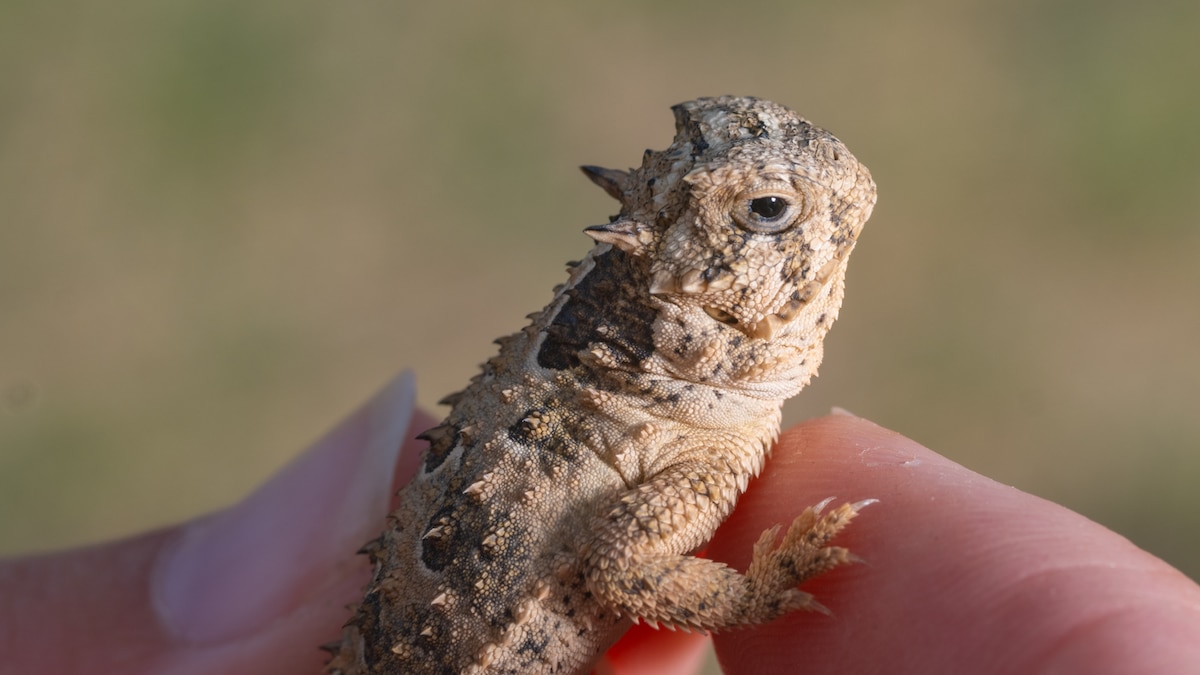
Scientists have meticulously cataloged the primary culprits behind the horned lizard’s decline. Habitat fragmentation, driven by rapid urbanization and agricultural expansion, has carved its once-continuous range into isolated pockets, making it difficult for populations to sustain genetic diversity or recover from local disturbances. Perhaps even more insidious is the disruption of its specialized diet: harvester ants. The horned lizard is an ant-eating specialist, relying almost exclusively on these insects. Widespread pesticide use, particularly in suburban and rural areas, has decimated harvester ant colonies, effectively starving out the lizards. Adding to this ecological assault are invasive species: aggressive fire ants outcompete native harvester ants for resources, while introduced predators like domestic cats and dogs, unaccustomed to the horned lizard’s blood-squirting defense mechanism, decimate populations that have lost their natural fear of larger animals. Researchers at institutions like the Fort Worth Zoo and Texas Christian University are at the forefront of understanding these pressures. Through meticulous radio-tagging, genetic sequencing, and detailed population surveys, they are piecing together the intricate puzzle of the lizard’s life cycle and identifying critical intervention points. Captive breeding programs, carefully designed to maintain genetic diversity, are now producing young lizards destined for reintroduction into carefully selected, restored habitats, often on private lands where conservation partners are actively managing for suitable conditions.
The plight of the Texas horned lizard serves as a stark reminder of broader ecological challenges. As an indicator species, its diminishing presence signals a deeper imbalance within the ecosystem. The health of harvester ant populations, the integrity of native grasslands, and the careful management of human impact on the land are all reflected in the horned lizard’s struggle. Its story is not just about one charismatic reptile; it’s a microcosm of global biodiversity loss, highlighting how seemingly small changes in land use or the introduction of a non-native species can cascade through an entire food web. What gives hope, however, is the profound connection many Texans feel towards this creature. Unlike abstract concepts of biodiversity, the “horny toad” is tangible, a piece of shared heritage. This emotional resonance is proving to be a powerful engine for conservation, galvanizing public support for habitat restoration, advocating for responsible pesticide use, and funding research initiatives. Citizen science programs, where volunteers report sightings or participate in habitat monitoring, are bridging the gap between academic research and community engagement, transforming passive concern into active participation.
For those eager to connect with the natural world and perhaps even glimpse a Texas horned lizard, responsible exploration is key. While sightings are increasingly rare, pristine habitats still exist where the patient observer might be rewarded. State parks and wildlife management areas, particularly in the western and southern parts of Texas, offer the best chances. Places like Big Bend Ranch State Park, Monahans Sandhills State Park, or certain sections of the Big Bend National Park, with their vast, undisturbed desert ecosystems, are prime locations. Visitors should focus on early mornings or late afternoons when the lizards are most active, scanning sandy areas and the bases of native shrubs. Remember that these are wild animals; observe from a distance, avoid disturbing them, and never attempt to handle them. Supporting the parks and organizations that protect these habitats, whether through visitation fees or direct donations, is a tangible way to contribute to their survival. Beyond state lands, many private ranches are also actively engaged in conservation, recognizing the ecological and cultural value of these creatures. While access may be limited, supporting eco-tourism initiatives on such properties can also funnel resources directly into conservation efforts.
The journey to recover the Texas horned lizard is long and complex, requiring sustained scientific effort, policy changes, and a deep-seated commitment from communities. But in the quiet vigilance of a researcher tracking a radio-tagged lizard, in the collective memory of Texans who cherish its grumpy face, and in the growing awareness of its ecological importance, there lies a profound hope. It’s a hope that the endearing, horned sentinel of the Texas desert will not only survive but thrive once more, its ancient gaze continuing to watch over the ever-changing landscape of its home.

About admin
A curious explorer documenting the intersection of science and travel. Join the journey to discover the hidden stories of our planet.
Leave a Reply