
Naan: How the ‘world’s best bread’ travelled from Islamic courts to our plates
The scent hits you first: a warm, yeasty embrace mingling with the subtle char of an open flame. Then the sight: a golden-brown disc, still steaming, its surface a mosaic of puffed blisters and tender depressions, perhaps speckled with nigella seeds or brushed with ghee. You tear off a piece, the soft crumb yielding effortlessly, and bring it to your mouth. The chew is satisfying, the flavor complex – a whisper of sweetness, a hint of sour tang from fermentation, and that unmistakable smoky depth. This is naan, a bread so seemingly simple, yet so profoundly satisfying, it has transcended its origins to become a global culinary icon. But how did this humble flatbread, a fixture on dining tables from Delhi to London, embark on such an extraordinary journey from the exclusive kitchens of kings to the everyday plates of millions?
Its ubiquity today belies a rich and aristocratic past. Before naan became the beloved companion to curries and kebabs in countless restaurants, it was a bread of privilege, a refined creation primarily enjoyed by the nobility and royalty of vast empires. Its story is not just one of culinary evolution, but of cultural exchange, scientific precision, and the relentless human desire for delicious innovation. To truly appreciate naan is to understand the intricate interplay of its ingredients and the transformative power of heat, a process honed over centuries to achieve that perfect balance of texture and flavor.
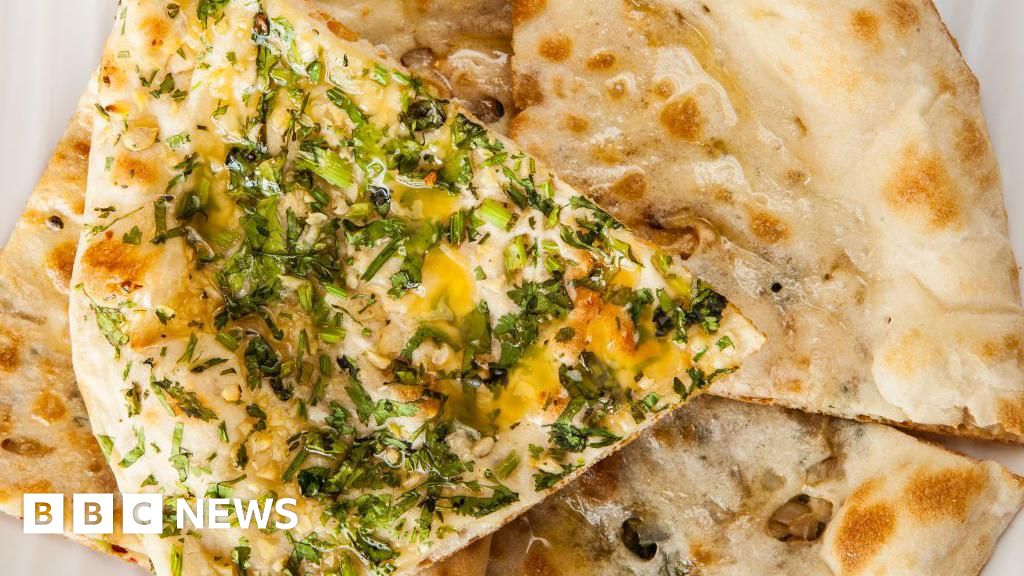
At its core, naan is a triumph of microbiology and thermal physics. The magic begins with yeast, those microscopic fungi that, when introduced to flour, water, and a touch of sugar, initiate fermentation. As the yeast consumes carbohydrates, it produces carbon dioxide, creating the airy pockets and leavened structure that differentiate naan from unleavened flatbreads. This process also develops complex flavor compounds, contributing to the bread’s characteristic tang. The choice of flour, typically wheat, is crucial; its gluten proteins form a resilient network that traps these gases, giving naan its distinctive chewiness. But the true alchemy occurs in the tandoor, a cylindrical clay oven. Here, the dough is slapped onto the scorching hot inner walls, where it bakes at temperatures often exceeding 480°C (900°F). The intense, radiant heat causes the moisture in the dough to rapidly vaporize, puffing the bread and creating those signature blisters. Simultaneously, the Maillard reaction, a complex chemical process between amino acids and reducing sugars, kicks into high gear, creating the rich brown crust and myriad savory flavors that are essential to naan’s appeal. It’s a precise, high-stakes culinary dance, where seconds can mean the difference between perfection and an overcooked disappointment.
The journey of naan begins long before its modern incarnation. The term ‘naan’ itself is derived from the Persian word for bread, ‘nan’, suggesting its probable origins in ancient Persia or Central Asia. Flatbreads have been a staple across this region for millennia, but the leavened, tandoor-baked version we recognize today likely gained prominence with the rise of the Mughal Empire in India, beginning in the 16th century. The Mughals, with their Persian heritage and sophisticated court culture, brought refined culinary traditions to the Indian subcontinent. Their royal kitchens were hotbeds of innovation, staffed by skilled bakers who perfected the art of making naan, often enriching it with ghee, milk, or yogurt, and flavoring it with ingredients like saffron or pistachios for the imperial palate. Naan quickly became a symbol of status, served at lavish banquets and enjoyed by emperors, nobles, and their entourages. It was a bread reserved for special occasions, a testament to the Mughals’ pursuit of culinary excellence.
From the Mughal courts, naan’s influence began to spread. As the empire expanded and trade routes flourished, so too did the exchange of culinary ideas. The tandoor oven, a marvel of ancient engineering, and the techniques for baking naan within it, traveled across regions. It became integrated into the cuisines of various communities, adapting to local ingredients and preferences. In Afghanistan, it became ‘naan-e Afghani’; in Iran, ‘nan-e Barbari’ or ‘nan-e Sangak’ are variations of the tandoor-baked flatbread. The British Raj, while often associated with economic exploitation, inadvertently played a role in naan’s global dissemination. British officers and administrators, experiencing the rich culinary traditions of India, carried these tastes back to the West. However, it was truly in the latter half of the 20th century, with increasing globalization, migration, and the rise of ethnic restaurants, that naan exploded onto the international scene. Indian, Pakistani, and Bangladeshi restaurants became ubiquitous in Western cities, and naan, with its comforting familiarity and versatility, quickly became a star attraction. Today, it’s not uncommon to find naan in supermarkets, often mass-produced, a testament to its widespread appeal, though arguably a pale imitation of its tandoor-fresh counterpart.
For those who wish to connect with the authentic spirit of naan, far beyond the supermarket aisle, the journey is a sensory delight. One of the most immersive experiences is to visit a traditional bakery in the Old City of Delhi, such as the famous Chandni Chowk, where the rhythmic slap of dough against the searing clay walls of a tandoor is a living symphony. Here, you can watch bakers, their faces glistening with sweat, deftly retrieve the piping hot bread with long metal hooks, the aroma of fresh naan filling the narrow alleyways. In Lahore, Pakistan, the food streets come alive at dusk, with street vendors serving various naans – plain, garlic, keema (minced meat), or Peshawari (sweet, with nuts and dried fruit) – straight from the tandoor, often accompanied by succulent kebabs or rich curries. In Tehran, Iran, seeking out a ‘nanvayi’ (bakery) where ‘nan-e Barbari’ or ‘nan-e Sangak’ is baked on pebbles, offers a different, yet equally captivating, experience of flatbread tradition. Even in Western cities, many independent Indian or Persian restaurants still employ traditional tandoors, offering a taste that transcends the ordinary. Engaging with the process, watching the creation, and sharing the freshly baked bread with companions offers a profound connection to its deep history and cultural significance. It’s a chance to witness not just a meal being prepared, but a legacy being honored, a simple bread that carries within its warm folds the echoes of ancient empires and the enduring spirit of human ingenuity.

About admin
A curious explorer documenting the intersection of science and travel. Join the journey to discover the hidden stories of our planet.
Leave a Reply