
I lecture nursing students about my dementia – I want to show it can happen to anyone
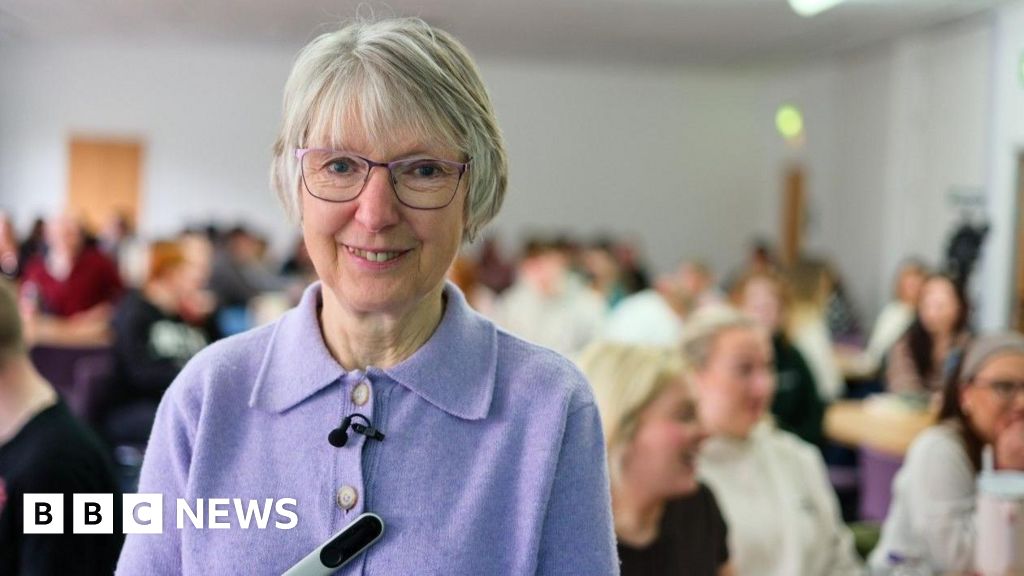
The fluorescent hum of the lecture hall is a familiar sound, but for Joan Lyon, the words she speaks into the microphone carry an unfamiliar weight. Before her sit rows of earnest nursing students, their faces a blend of anticipation and professional curiosity. Yet, Joan isn’t here to discuss theoretical case studies or abstract medical principles. She is the case study. At 72, with a sparkle in her eye that belies the challenge she faces, Joan Lyon stands before these future caregivers to talk about her own Alzheimer’s diagnosis, made just last year. It’s a profound act of courage, an intimate disclosure designed not for pity, but for profound understanding. She is giving them a living, breathing lesson in empathy, a direct line to the lived experience of a disease that often remains cloaked in statistics and fear. Her goal is disarmingly simple, yet deeply revolutionary: to humanize dementia, to strip away the stigma, and to impress upon these young minds that this isn’t a condition confined to an ‘other’ – it can happen to anyone.
Joan’s journey into the lecture hall began not with a desire for public speaking, but with a stark, personal reckoning. The gradual slips in memory, the misplaced words, the subtle shifts in cognitive function that she initially dismissed as mere aging, eventually coalesced into a diagnosis that reshaped her future. Alzheimer’s disease. For many, such a revelation might prompt a retreat, a desire for privacy. For Joan, it ignited a different impulse: to share, to educate, to leverage her remaining clarity to illuminate a path for others. She recognized the unique position she occupied – a bridge between the clinical definition of the disease and its lived reality. Who better to prepare the next generation of nurses than someone navigating the very complexities they will encounter in their patients? Her lectures are not just about symptoms; they are about the emotional landscape, the frustrations, the moments of grace, and the unwavering need for dignity. It’s a testament to her spirit that she transforms her personal vulnerability into a powerful educational tool, aiming to instill a deeper compassion and practical insight into those who will soon be on the front lines of care.
From Joan’s personal experience, we pivot to the intricate, often baffling, biological reality unfolding within the brain. Alzheimer’s, the most common form of dementia, is not merely a consequence of aging; it is a progressive neurodegenerative disease characterized by specific, devastating changes at the cellular level. Scientists point to two primary culprits: amyloid plaques and neurofibrillary tangles. Amyloid plaques are abnormal clusters of protein fragments that build up between nerve cells, disrupting their communication. Neurofibrillary tangles are twisted strands of tau protein that accumulate inside neurons, interfering with the transport system that carries nutrients and other essential materials throughout the nerve cell. These pathological hallmarks lead to widespread neuronal damage and death, particularly in areas of the brain critical for memory, thought, and language. The hippocampus, vital for new memory formation, is often an early target, explaining the characteristic memory loss. As the disease progresses, brain tissue shrinks dramatically, a process known as atrophy, and the intricate neural networks that govern our identity and function slowly unravel. The scientific community continues its relentless pursuit of understanding the precise mechanisms that initiate this cascade, hoping to identify early biomarkers, develop effective treatments, and ultimately, find a cure for a condition that currently has none, only therapies to manage symptoms and slow progression. The complexity of the brain, its vast interconnectedness, makes Alzheimer’s a formidable adversary, demanding a multi-faceted approach to research and care.
The individual tragedy of Alzheimer’s, as embodied by Joan Lyon’s brave sharing, expands into a global health crisis of staggering proportions. Dementia, a broad term encompassing a range of conditions that cause cognitive decline severe enough to interfere with daily life, affects over 55 million people worldwide, a number projected to nearly double every 20 years. While Alzheimer’s accounts for 60-70% of cases, other forms like vascular dementia, Lewy body dementia, and frontotemporal dementia each present their own unique challenges and symptom profiles. The societal burden extends far beyond direct medical costs, encompassing the immense emotional, physical, and financial toll on families and caregivers. These unpaid caregivers often provide round-the-clock support, sacrificing their own careers and well-being. This widespread impact underscores the urgency of Joan’s mission: by fostering empathy and understanding in future healthcare professionals, she contributes to a broader shift in how society perceives and responds to dementia. Early diagnosis, though not a cure, can provide individuals and families with valuable time to plan for the future, access support services, and participate in clinical trials. Moreover, ongoing research is increasingly highlighting the role of modifiable lifestyle factors – diet, exercise, cognitive stimulation, and social engagement – in potentially reducing the risk or delaying the onset of cognitive decline. The narrative around dementia is slowly evolving from one of inevitable decline to one that emphasizes brain health, early intervention, and dignified care, striving to dismantle the deeply ingrained stigma that often isolates those living with the condition and their families.
For the curious wanderer, the non-scientist driven by a desire to understand the human condition beyond textbook definitions, the world offers numerous avenues to engage with the reality of dementia, to witness its complexities firsthand, and to contribute to a landscape of greater compassion. While you might not peer into a microscope at tau tangles, you can connect with the human stories that define this journey. One of the most accessible and impactful ways is to seek out memory cafes or dementia support groups in your local community. These informal, welcoming spaces provide a safe environment for individuals with dementia and their caregivers to socialize, share experiences, and receive support. By simply being present, listening, and engaging in conversation, one can gain invaluable insight into the daily challenges, moments of joy, and enduring humanity of those affected. Many assisted living facilities and nursing homes that specialize in memory care also offer volunteer opportunities or host public events. With proper respect for privacy and resident dignity, observing the innovative care strategies employed – from specialized activity programs to environmental design that aids orientation – can be profoundly educational. Beyond direct interaction, exploring museums and art galleries that host programs specifically designed for individuals with dementia can reveal the remarkable resilience of the human spirit and the power of creative expression to bypass cognitive barriers. These programs often demonstrate how art, music, and storytelling can unlock memories and foster connection, even when verbal communication becomes difficult. Furthermore, participating in or attending events organized by dementia advocacy organizations offers a broader perspective on public health initiatives, research funding, and policy changes aimed at improving the lives of those with dementia. Many universities and medical centers also host public lectures or open days where leading researchers share their latest findings, offering a glimpse into the scientific frontier. Ultimately, the ‘traveler’s perspective’ on dementia is about seeking human connection, embracing empathy, and understanding that even in the face of profound neurological change, the core of a person’s identity and their capacity for connection often remains. Joan Lyon’s lectures are a powerful reminder that our greatest teachers are sometimes those who are living the very lessons they impart, illuminating the path for us all to wander with greater understanding and compassion.

About admin
A curious explorer documenting the intersection of science and travel. Join the journey to discover the hidden stories of our planet.
Leave a Reply