
Electrogenic protein condensates as intracellular electrochemical reactors
Deep in the leaf litter, where the forest floor breathes a silent, earthy sigh, a minuscule drama unfolds. A springtail, no bigger than a pinhead, navigates a labyrinth of decaying fragments, its furcula poised for an escape launch. Nearby, a pseudoscorpion, with its formidable, pincered pedipalps, patiently stalks a collembolan. These aren’t just tiny creatures; they are living marvels, each a universe of intricate biological machinery operating with astonishing precision. We often marvel at the complex behaviors of large animals, but the true frontiers of biological wonder, I believe, lie hidden within the smallest inhabitants of our world, down to the very cells that power their existence.
For decades, my focus at ‘Wandering Science’ has been on unveiling these hidden worlds, from the social dynamics of ant colonies to the predatory elegance of jumping spiders. Yet, even as we observe the macroscopic, the underlying magic is at the cellular and molecular level. Consider the sheer energy required for a honeybee to beat its wings 200 times per second, or for a bombardier beetle to unleash a scorching chemical spray. These actions aren’t just powered by simple sugar; they are the culmination of incredibly sophisticated internal processes, often involving mechanisms we are only just beginning to comprehend. The latest breakthroughs are showing us that the very fabric of life, even within our beloved arthropods, is far more electrically dynamic than we ever imagined, with proteins themselves acting as microscopic powerhouses and conductors.
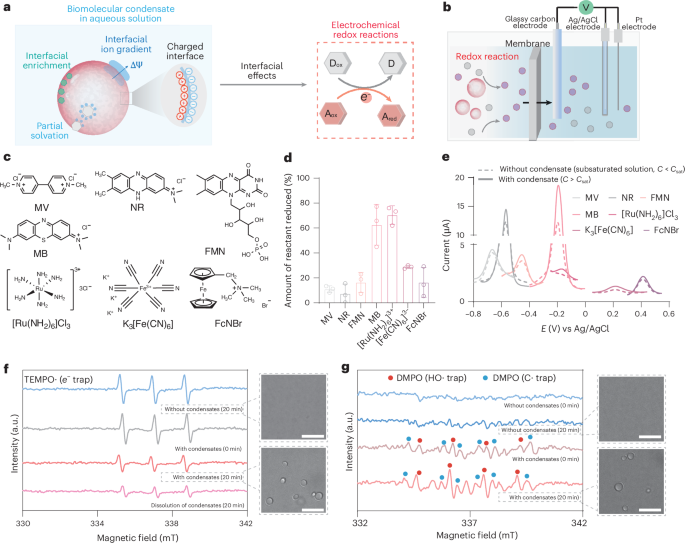
Imagine, if you will, tiny, self-assembling factories operating within the cells of an insect, each capable of generating its own electrical charge to drive specific chemical reactions. This isn’t science fiction; it’s the reality of “electrogenic protein condensates” – a discovery that is reshaping our understanding of cellular biology. These aren’t just any proteins; they are remarkable biomolecules that coalesce into distinct, phase-separated droplets or compartments within the cell’s cytoplasm. What makes them truly revolutionary is their capacity to generate and manipulate electric fields at their interfaces. Think of them as miniature, intracellular electrochemical reactors, each meticulously engineered by evolution to perform a precise task. Their ability to create “tunable interfacial electric fields” means that the electrical environment at the surface of these protein clumps can be precisely adjusted, much like dialing a specific frequency on a radio. This allows for an unprecedented level of control over biochemical pathways, essentially providing a localized electrical stimulus to initiate or accelerate specific chemical transformations. For an insect, where every millisecond and every joule of energy counts, such an efficient, localized system for energy conversion and signaling is nothing short of a game-changer. It suggests a whole new layer of complexity in how insects manage their metabolism, transmit signals, and even adapt to environmental stressors.
The implications for insect biology are profound and far-reaching. Consider the rapid metabolic rates necessary for insect flight or the incredibly precise chemical reactions involved in pheromone synthesis. These electrogenic condensates could be the hidden architects behind such efficiency. For instance, in the flight muscles of a dragonfly, where energy demands are astronomical, these protein condensates might act as localized power boosters, ensuring ATP production is maximized exactly where and when it’s needed. Or, perhaps in the nervous system of a cockroach, known for its lightning-fast reflexes, these condensates could facilitate ultra-rapid neurotransmission by creating localized electric fields that accelerate ion movement across membranes. Their presence could explain how insects achieve such remarkable feats of speed, strength, and resilience on such a small scale. They represent an intrinsic biomaterial platform, a natural example of how living systems can generate and harness their own localized electrical power, far beyond the well-known mechanisms of nerve impulses.
This microscopic marvel doesn’t exist in a vacuum; it resonates throughout the entire ecological web. If insects possess such sophisticated internal electrical systems, how does this influence their interactions with their environment and with other organisms? For instance, some plants are known to generate weak electric fields, and certain insects, like bees, can detect these fields, using them to locate nectar-rich flowers. Could the internal electrogenic processes within insects play a role in their own external electromagnetic signatures, influencing how they are perceived by predators or even how they communicate with conspecifics? Imagine a moth using subtle, internal electrical modulations to fine-tune the release of pheromones, making its signal more potent or directional. Or a beetle, whose tough exoskeleton hides a cellular world buzzing with localized electrical activity, perhaps influencing the very microbes that inhabit its gut, aiding in digestion or detoxification.
The ability to precisely control intracellular electrochemical reactions opens up avenues for understanding everything from insect immunity to their incredible adaptive capacities. When a parasitic wasp injects its eggs into a caterpillar, the caterpillar’s immune system mounts a fierce defense. Could electrogenic protein condensates be involved in the rapid, localized generation of reactive oxygen species or other immune effectors, providing a swift and potent cellular response? Furthermore, in the context of climate change and habitat alteration, understanding these fundamental biological mechanisms is crucial. How do insects adapt to new temperatures or different food sources? Perhaps the tunable nature of these electrochemical reactors allows for rapid physiological adjustments, enabling them to survive in challenging new environments. This hidden electrical world within the insect body is not just a biological curiosity; it’s a fundamental component of the intricate balance of nature, influencing everything from nutrient cycling to pollination and pest control.
For the curious traveler eager to witness the manifestations of this incredible cellular engineering, you don’t need a high-powered electron microscope. The beauty of entomology is that the macro reveals the micro, often in spectacular fashion. To truly appreciate the implications of electrogenic protein condensates, one must observe insects in their most energetic and specialized states. Consider a trip to the tropical rainforests of Costa Rica or the Amazon, renowned for their incredible insect diversity. Here, you can witness the astonishing flight dynamics of hummingbirds and the insects they feed on, like hawkmoths, which hover with incredible precision. The sheer metabolic output required for such sustained flight, often in humid, energy-intensive environments, is a testament to highly efficient cellular energy systems, quite possibly aided by these electrogenic mechanisms.
Another excellent destination would be the wetlands and marshes of the Everglades in Florida, or the Pantanal in Brazil. These vibrant ecosystems are teeming with dragonflies and damselflies, insects that are masters of aerial acrobatics and predatory speed. Observe a dragonfly hawking for mosquitoes, making rapid directional changes and sudden accelerations. This immediate, high-energy demand is a direct expression of optimized cellular function, where every muscle fiber is primed for action. The ability of their cells to generate and utilize localized electrical fields could be a key factor in their unparalleled agility.
For a different perspective, visit a bioluminescent bay, such as those in Puerto Rico or Jamaica, or venture into caves where glowworms (larvae of fungus gnats) create ethereal light displays. While bioluminescence is primarily a chemical reaction, the precise regulation and efficiency of light production in living organisms often involve complex enzymatic processes. It is not a stretch to imagine that electrogenic protein condensates could play a role in optimizing the conditions for these light-emitting reactions, perhaps by finely tuning the local chemical environment or energy transfer within the photocytes. Observing the rhythmic pulsing of light from a firefly on a warm summer evening, or the steady glow of a click beetle, offers a tangible connection to the sophisticated cellular machinery that makes such wonders possible.
Even in your own backyard, observing the intricate dance of ants, the methodical foraging of bees, or the rapid escape of a beetle when disturbed, you are witnessing the macroscopic effects of these microscopic electrical marvels. Every twitch, every flight, every flicker of light is a symphony of cellular processes, orchestrated with an efficiency that continues to inspire awe. The world of insects, often dismissed as ‘creepy crawlies,’ is, in fact, a vibrant, electrically charged frontier of biological innovation. By looking closer, with both our eyes and our minds, we can begin to appreciate the profound elegance of life, from the smallest protein condensate to the grandest ecological spectacle.

About admin
A curious explorer documenting the intersection of science and travel. Join the journey to discover the hidden stories of our planet.
Leave a Reply