
How ‘forest bathing’ keeps lungs healthy
The air in a forest carries a different quality. It’s not just cooler, or cleaner, but imbued with a subtle, earthy perfume – a blend of damp soil, decaying leaves, and the fresh, almost resinous scent of pine needles warmed by the sun. For centuries, cultures worldwide have intuitively understood the restorative power of such environments, a wisdom distilled in the Japanese practice of Shinrin-yoku, or “forest bathing.” It’s more than just a walk; it’s an intentional immersion, a mindful engagement with the forest’s atmosphere. But beyond the anecdotal sense of calm and rejuvenation, could this ancient practice be offering tangible, measurable benefits to our physical health, specifically to the very organs that draw in that forest air?
The quiet revolution in environmental health science suggests precisely that. What once seemed like a gentle, spiritual inclination is now being scrutinized under the unforgiving lens of empirical research, revealing a sophisticated biochemical dialogue between trees and humans. Scientists are beginning to identify the specific agents of this natural therapy, pinpointing the volatile organic compounds that trees release into the atmosphere, substances that appear to play a crucial role in enhancing our respiratory well-being. This isn’t merely about fresh air; it’s about a complex, invisible cocktail that interacts directly with our physiology.
At the heart of this interaction are compounds known as phytoncides. These are airborne chemicals produced by plants, particularly trees, as a defense mechanism against insects and fungi. Think of them as the forest’s immune system, constantly at work. When we breathe in the forest air, we are, in essence, inhaling these natural pesticides and germicides. Research published in journals like Nature.com has highlighted how these compounds, once absorbed into the human bloodstream, can trigger a cascade of beneficial effects. While the exact pathways are still under investigation, early findings point towards a significant impact on our innate immune responses, particularly within the respiratory system.
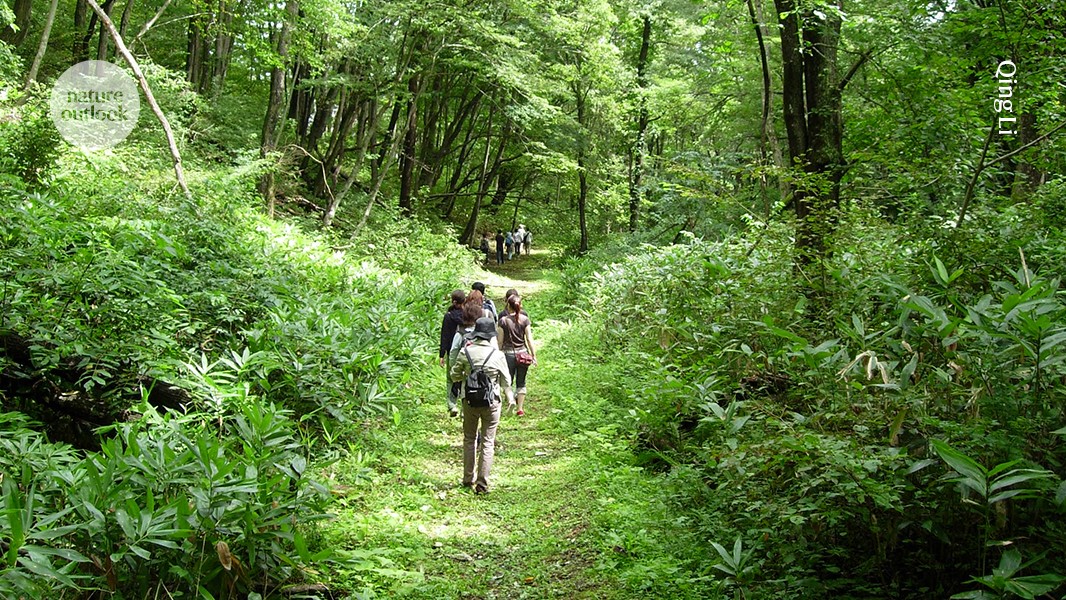
The respiratory tract, constantly exposed to external pathogens and pollutants, is a primary beneficiary. Studies indicate that exposure to phytoncide-rich air can lead to an increase in the number and activity of natural killer (NK) cells. These specialized white blood cells are crucial for fighting off viral infections and even tumor cells. A boost in NK cell activity translates directly to a strengthened immune system, making the body more resilient against respiratory illnesses such as influenza and the common cold. Furthermore, there’s evidence suggesting that phytoncides may help reduce inflammation in the airways, a critical factor in conditions like asthma and chronic obstructive pulmonary disease (COPD), potentially easing symptoms and improving lung function over time.
However, the scientific community maintains a cautious optimism. While the correlation between forest exposure and improved respiratory health is becoming clearer, the precise magnitude and the full spectrum of mechanisms remain subjects of ongoing investigation. It’s a complex system, involving not just phytoncides but also the absence of urban pollutants, the presence of beneficial microbes in forest soil (mycobacterium vaccae), and the psychological benefits of reduced stress, which itself influences immune function. Teasing apart these interwoven factors requires meticulous, long-term studies, and researchers are employing sophisticated analytical tools to map the molecular pathways and quantify the effects in diverse populations.
Beyond the lungs, the broader context of forest exposure suggests a holistic improvement in well-being. The reduction in stress hormones like cortisol, the lowering of blood pressure, and the improvement in mood are well-documented side effects of spending time in nature. These physiological and psychological shifts are not isolated; they contribute to an overall healthier system, including a more robust immune response. Chronic stress is known to suppress immunity, making the body more vulnerable to illness. By mitigating stress, forest environments indirectly support respiratory health, creating a virtuous cycle where mental calm fosters physical resilience. This understanding places forest bathing not just as a treatment for specific ailments but as a powerful preventative health strategy, a natural prescription for modern life.
The historical reverence for nature’s healing power, once dismissed as folklore, is now finding its footing in evidence-based medicine. From the ancient groves where healers sought remedies to contemporary ‘green prescriptions’ being issued by doctors in some countries, the pendulum is swinging back towards an appreciation of our innate connection to the natural world. This burgeoning field of environmental health underscores that human health is inextricably linked to ecosystem health. As urbanisation accelerates, preserving and expanding our green spaces becomes not just an ecological imperative but a public health necessity, offering tangible buffers against the stressors and pathogens of modern living.
For the curious wanderer, the non-scientist seeking to experience this phenomenon firsthand, the world offers countless opportunities. You don’t need a specific study site or a lab coat to engage in forest bathing. Start locally: explore your nearest national park, state forest, or even a well-maintained urban arboretum. The key is intentionality. Instead of rushing through a trail with headphones, slow down. Engage your senses: notice the pattern of bark, the subtle variations in green, the sound of rustling leaves or a distant bird call. Inhale deeply, allowing the unique scent of the forest to fill your lungs. Find a quiet spot to sit, observing the interplay of light and shadow, the movement of a squirrel, the stillness of an ancient tree.
Destinations renowned for their ancient forests, such as Japan’s Hokkaido island, home to vast national parks and designated Shinrin-yoku trails, or the redwood forests of California, offer particularly potent experiences. But even a small patch of woods can provide a dose of these beneficial compounds. The practice is about presence, about allowing the forest to work its quiet magic. It’s an accessible, profound form of self-care that requires no special equipment, only an open heart and a willingness to reconnect. As science continues to unravel the intricate mechanisms behind the forest’s healing embrace, our intuitive pull towards the trees gains a new, compelling validation, reminding us that sometimes, the best medicine is found simply by stepping outside.

About admin
A curious explorer documenting the intersection of science and travel. Join the journey to discover the hidden stories of our planet.
Leave a Reply