
‘Our 60-year-old ice arena is creating future Olympians’
The air bites with a crisp, exhilarating cold, not the harsh chill of winter’s open maw, but a carefully calibrated embrace. It carries the faint, metallic scent of ozone and the rhythmic scrape of steel on ice, a sound that is both abrasive and strangely melodic. In the heart of what might seem an ordinary town, tucked away from the bustling thoroughfare, stands an arena that has defied the fleeting nature of trends and the relentless march of time. Its walls, unassuming in their mid-20th century architecture, have absorbed six decades of ambition, triumph, and the quiet, persistent grind of practice. This isn’t just a building; it’s a crucible, forged in the aspirations of 1966, where the dreams of a community and the relentless pursuit of speed have coalesced into a living legacy. Here, on a surface meticulously maintained, young athletes, barely out of childhood, carve arcs and push boundaries, each powerful stride a whisper of Olympic glory yet to come.
When its doors first opened in the year the Beatles released Revolver and England won the World Cup, the vision was simple: a place for recreation, a community hub. Few could have imagined that this gleaming sheet of ice would become a breeding ground for elite athletes, a proving ground where raw talent is honed into world-class skill. From its inception, the rink was more than just a facility; it was an investment in potential, a stage for local heroes, and an unexpected incubator for future champions. The initial flurry of activity, the excited chatter of children trying skates for the first time, slowly but surely transformed into the focused determination of dedicated clubs, each session building upon the last, cementing its role as a cornerstone of speed skating excellence.
Maintaining an ice surface suitable for high-speed competition is a delicate balance of physics and engineering, a silent battle against entropy. It’s not simply frozen water; it’s a precisely engineered medium. The ideal temperature for speed skating ice hovers just below freezing, typically between -5°C and -7°C (23°F to 19°F), a range that minimizes friction while retaining sufficient hardness for sharp blade edges to grip without digging too deep. Achieving this consistency in a 60-year-old structure requires robust refrigeration systems, often employing vast networks of brine or ammonia pipes circulating beneath the concrete slab. These systems work tirelessly, extracting heat from the ice and the ambient air, a constant thermodynamic ballet. The rink’s original infrastructure, likely ahead of its time, has been meticulously upgraded over the decades, integrating modern insulation techniques and energy-efficient compressors, ensuring that the legacy of a perfect glide continues.
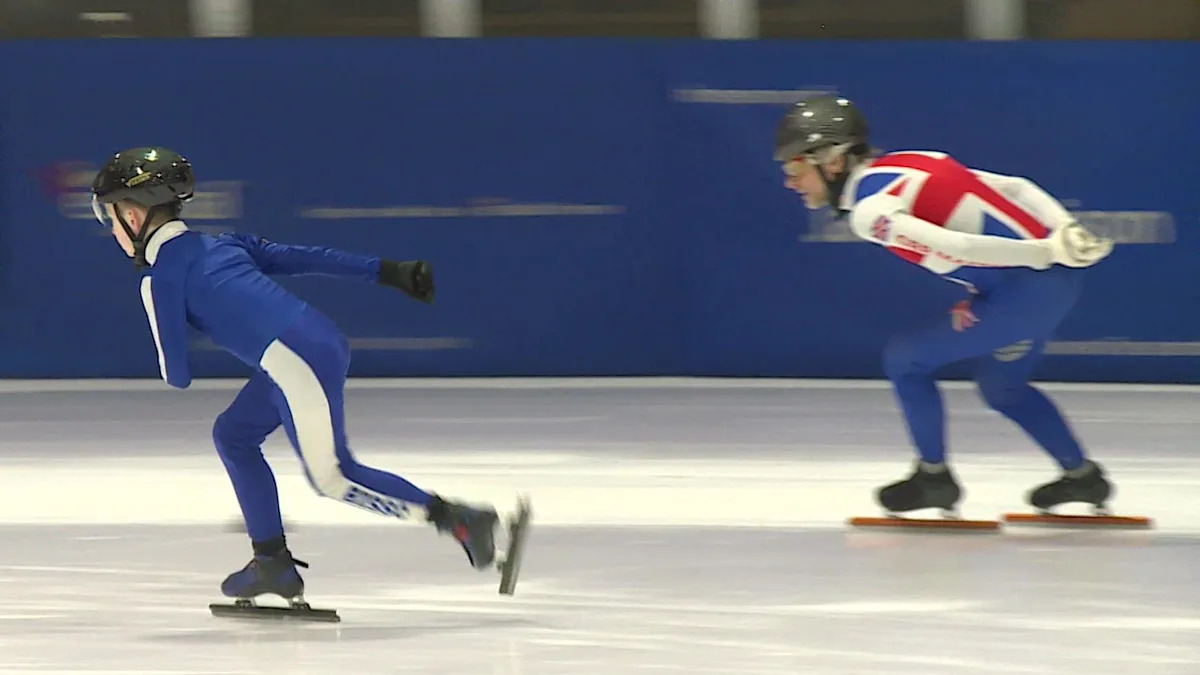
Beyond temperature, the quality of the ice itself is paramount. Water purity is critical; impurities can lead to a brittle, uneven surface. Modern ice resurfacers, the iconic Zambonis, don’t just shave and flood; they use heated water, which momentarily melts the top layer, allowing it to refreeze into a smoother, denser sheet, minimizing air bubbles and creating a glass-like finish. This process, repeated countless times a day, is an art as much as a science, requiring skilled operators to ensure uniformity across the vast expanse. For speed skaters, every micron of unevenness, every subtle change in friction, can mean the difference between a personal best and a lost race. The biomechanics of speed skating demand an almost perfect surface: the explosive push-off, the delicate balance on a thin blade, the aerodynamic tuck—all are optimized by the consistent, low-friction environment this aging arena masterfully provides.
The enduring presence of this ice arena speaks volumes about the power of community and sustained vision. For six decades, it has been more than a venue; it has been a second home for generations. Children who once stumbled on their first skates now bring their own kids, passing down not just a skill, but a culture of discipline, perseverance, and camaraderie. The speed skating clubs that call this rink home are not merely sports organizations; they are intricate social networks, built on shared ambition and mutual support. Coaches, many of whom were once skaters here themselves, pour their knowledge and passion into the next wave of talent, understanding that the foundations laid on this ice extend far beyond athletic prowess, shaping character and resilience.
In an era where sports facilities often have a lifespan measured in mere decades before becoming obsolete, this rink’s longevity is exceptional. It stands as a vibrant counterpoint to the ‘build new, discard old’ mentality. Its continued relevance is a demonstration of adaptive management, strategic upgrades, and a deep-seated commitment from local government, private donors, and countless volunteers. This commitment ensures that vital resources, from refrigeration technicians to administrative staff, are always available, maintaining a high-performance environment without the need for constant, costly overhauls. This sustained investment, both financial and human, has allowed the rink to evolve with the sport, incorporating new training methodologies, safety standards, and equipment without losing its original charm or purpose.
The impact ripples outwards. Beyond the immediate thrill of competition, the rink contributes significantly to the local economy, drawing families from neighboring towns, generating employment, and fostering a sense of civic pride. It offers a tangible link to the past, a place where local legends were born, while simultaneously gazing firmly towards the future, nurturing the Olympians of tomorrow. This blend of heritage and forward momentum creates a unique atmosphere, a place where history is made anew with every lap, every personal record broken. It’s a powerful reminder that some of the most profound achievements are born not in grand, fleeting spectacles, but in the quiet, consistent dedication found within the walls of long-standing institutions.
For the curious wanderer, the science enthusiast, or simply someone seeking a glimpse into a vibrant local culture, a visit to an arena like this offers a compelling experience. You don’t need to be a scientist to appreciate the precision of the ice or the athleticism on display. Many such community rinks, even those with a competitive edge, offer public skating sessions. Imagine stepping onto that very ice, feeling the glide, the cold air, and the echoes of champions past and future. It’s an opportunity to connect with the physical environment, to feel the subtle nuances of the ice beneath your own skates, and to gain a visceral understanding of the challenges faced by the athletes.
Attending a local speed skating competition is another way to witness this living history in action. The energy is palpable: the intense focus of the skaters, the shouts of encouragement from coaches, the roar of the crowd as records are chased. You can observe the intricate choreography of the races, the power in each stride, and the sheer dedication etched on the faces of the young competitors. It’s a chance to see the hard science of friction and momentum play out in real-time, translated into breathtaking human performance. These facilities are often welcoming, eager to share their passion. A conversation with a seasoned coach or a volunteer might reveal decades of stories, insights into the sport, and the undeniable spirit of a place that has, for sixty years, been quietly shaping futures, one powerful push at a time. It’s a journey not just to a place, but into the enduring heart of human ambition and the meticulous craft that supports it.

About admin
A curious explorer documenting the intersection of science and travel. Join the journey to discover the hidden stories of our planet.
Leave a Reply