
Functional analysis of O-GlcNAcylation by networking of OGT interactors and substrates
Deep in the shadowed heart of the forest floor, where sunlight filters in dappled patches and the air hums with unseen life, a drama unfolds with breathtaking precision. It’s a world often overlooked, trampled underfoot, yet it pulses with an energy that rivals any grand savanna. Imagine a ground beetle, its elytra gleaming like polished obsidian, meticulously cleaning its antennae. Each joint, each segment, is drawn through specialized mouthparts with a deliberate, almost meditative care. This isn’t just grooming; it’s a critical act of sensory maintenance, ensuring its microscopic chemoreceptors are perfectly primed to detect the faintest whiff of a distant meal, a lurking predator, or a potential mate. This small, seemingly insignificant action is a window into a universe of intricate biological machinery, a profound indicator of its astonishing complexity.
For those of us at ‘Wandering Science,’ this is our daily fascination – not the sweeping vistas, but the miniature marvels that compose them. We seek out the hidden architects of our ecosystems, the silent powerhouses that recycle nutrients, pollinate flowers, and form the foundational layers of almost every food web on Earth. From the shimmering wings of a dragonfly to the subterranean tunnels of a termite colony, the insect and arachnid world is a symphony of adaptation, a chronicle of evolutionary brilliance written in chitin and silk. Our journey isn’t just about cataloging species; it’s about understanding the profound elegance of their existence, the ingenious solutions they’ve developed over hundreds of millions of years to thrive in every conceivable niche.
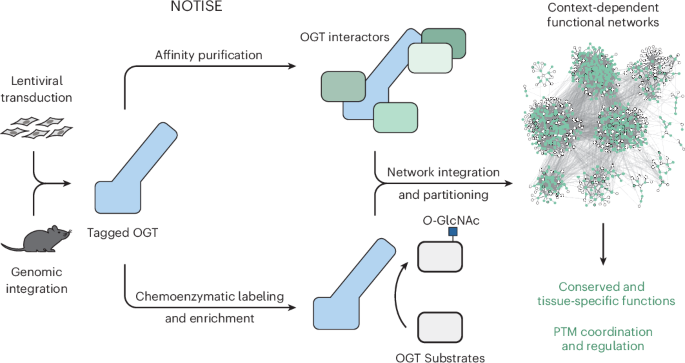
And what precisely allows our beetle, or any insect, to perform such precise actions, to navigate its world with such unerring accuracy? The answer lies not just in its visible anatomy, but in the unseen choreography happening within each of its cells. Recent advancements in understanding the fundamental biological processes, often focusing on intricate cellular modifications like O-GlcNAcylation, are beginning to reveal a breathtaking level of internal coordination. While the technical terminology might sound intimidating, imagine it as the ultimate biological network. Instead of looking at a single switch or a lone wire, scientists are now able to map out entire grids of interconnected signals. This systems-level approach, mapping out how various cellular components interact and influence each other, is shedding light on how organisms coordinate incredibly complex activities. For an insect, this might mean the simultaneous activation of genes controlling wing development alongside others regulating metabolic rates, all precisely timed to transform a soft-bodied larva into a soaring butterfly. It’s about how an insect’s entire physiological system, from nerve impulses to muscle contractions, is orchestrated with flawless timing, allowing for rapid responses to threats, efficient resource allocation, and the incredible feats of endurance we observe in migratory species.
Consider the monarch butterfly, undertaking its epic multi-generational migration across continents. This isn’t just a simple flight; it’s a marvel of synchronized biology. How do individual cells in its flight muscles maintain peak efficiency for thousands of miles? How do its navigational systems integrate environmental cues with an innate sense of direction? The answers are being found in these complex, interconnected cellular pathways. Scientists are discovering that rather than isolated events, many cellular activities are simultaneously regulated, working together in a grand biological symphony. This coordination is not accidental; it’s a highly refined system, ensuring that different parts of the insect’s body and its behavioral repertoire are all working in perfect harmony. This deeper understanding of internal biological networking helps us appreciate the sheer engineering brilliance inherent in even the smallest ant or the most unassuming moth, allowing them to adapt, survive, and even thrive in environments that would overwhelm larger creatures.
Zooming out from the intricate cellular dance, the impact of these small creatures reverberates through entire ecosystems. The beetle grooming its antennae, the monarch navigating by the sun – their individual existences are woven into a vast, intricate ecological fabric. Insects and arachnids are the unsung heroes of our planet, performing indispensable services that often go unnoticed until their populations falter. Think of the pollinators: bees, butterflies, moths, beetles, and countless other insects, flitting from bloom to bloom, ensuring the reproduction of over 75% of the world’s flowering plants, including many of the crops that feed us. Without them, our plates would be bare, our landscapes silent and barren.
Beyond pollination, consider their role as nature’s most efficient recyclers. Termites and dung beetles break down dead wood and animal waste, returning vital nutrients to the soil. Maggots, often reviled, are masters of decomposition, swiftly processing carrion and preventing the spread of disease. Many insects are also critical links in food chains, serving as primary food sources for birds, bats, fish, and a host of other animals. A healthy insect population signifies a healthy ecosystem, providing the foundational energy transfer that sustains higher trophic levels. Conversely, declining insect numbers send alarm bells ringing throughout the scientific community, signaling a profound disruption to the delicate balance of life on Earth.
This interconnectedness highlights a profound truth: the health of the “small world” directly dictates the health of our “big world.” The intricate cellular coordination we discussed earlier isn’t just for an individual insect’s survival; it’s what enables their collective ecological function. A robust internal system allows for robust external contributions. Every ant carrying a crumb, every spider spinning a web, every caterpillar munching a leaf, is participating in a grand, planetary effort, maintaining the delicate equilibrium that makes life possible. Their sheer diversity—millions of species, each with its unique adaptations and role—is a testament to the power of evolution and the resilience of life itself.
So, how can you, a curious traveler, step into this hidden world and witness its wonders firsthand? The beauty of entomology is its accessibility. You don’t need to book an expedition to a remote jungle (though those are certainly exciting!). The most extraordinary observations often begin right in your own backyard, a local park, or even a window box. The key is patience, a keen eye, and a shift in perspective.
Start by simply slowing down. Spend fifteen minutes quietly observing a patch of grass, a single flowering bush, or the underside of a fallen log. Bring a magnifying glass – it’s a game-changer, transforming tiny details into breathtaking landscapes. Look closely at the surface of a leaf: are there aphids, ladybugs, or the intricate lacework of a spider’s web? Peer under rocks and decaying leaves; you might find pillbugs, centipedes, or the scurrying forms of ground beetles. Watch the air around flowers; observe the diverse array of pollinators that visit, noting their shapes, colors, and behaviors. Even a streetlamp at night can become an impromptu observation point, attracting a fascinating collection of moths and nocturnal insects.
For those seeking a more immersive experience, national parks and nature preserves are incredible classrooms. Their undisturbed habitats offer a richer diversity of insect and arachnid life. Look for interpretive trails that highlight specific ecosystems, and don’t hesitate to join a guided nature walk; local naturalists often possess a wealth of knowledge about the specific creatures inhabiting their region. Tropical rainforests, of course, are unparalleled for sheer biodiversity, but even a temperate forest or a desert ecosystem holds its own unique and captivating insect fauna. Consider bringing a field guide specific to your region; identifying what you see adds another layer of appreciation and understanding.
The world of insects and arachnids isn’t just a subject for scientific study; it’s a boundless source of wonder, a constant reminder of nature’s ingenuity and the intricate connections that bind all life. By taking the time to observe, to truly see these small creatures, you’re not just witnessing a part of the natural world; you’re connecting with the very pulse of the planet. So, next time you’re outside, take a moment. Look down. The greatest adventures often begin at your feet, in the extraordinary, hidden world of the very small.

About admin
A curious explorer documenting the intersection of science and travel. Join the journey to discover the hidden stories of our planet.
Leave a Reply