
Pompeii House Frozen Mid-Renovation Reveals Secrets of Roman Cement
The air above Pompeii still shimmers with the ghosts of ordinary lives, abruptly halted. A baker’s oven, still warm. A merchant’s ledger, half-written. And now, in a quiet corner of the sprawling archaeological park, a house caught mid-remodel, its walls a testament not to the tragedy of Vesuvius, but to the enduring genius of Roman engineering. Here, amidst the plaster dust of two millennia, scientists have uncovered a profound secret, literally baked into the very fabric of the Roman world: a revolutionary hot-mix concrete method that allowed their structures to not just stand for centuries, but to actively heal themselves.
For generations, scholars have marveled at the impossible durability of Roman concrete, or opus caementicium. Structures like the Pantheon or the aqueducts of Segovia have defied time, earthquakes, and the relentless creep of erosion. The prevailing theory centered on pozzolana, a volcanic ash found abundantly around Vesuvius, which reacts with lime and water to form an incredibly strong binder. Yet, even with pozzolana, the sheer longevity and resilience of some Roman constructions seemed to outstrip modern understanding. The recent discovery in Pompeii, however, reveals a missing ingredient in our comprehension: microscopic white clumps of lime embedded within the ancient mortar, previously dismissed as mere evidence of poor mixing or low-quality materials.
These tiny, irregular white granules, ranging from sub-millimeter to a few millimeters in size, are not flaws but deliberate inclusions. Researchers, using advanced imaging and spectroscopic techniques on samples from the Pompeii house and other Roman sites, have re-evaluated these features. Their findings suggest the Romans didn’t just mix lime with water and pozzolana; they used quicklime (calcium oxide) directly, combining it with water at high temperatures in an exothermic reaction. This “hot mixing” process, far from being a sloppy technique, created an incredibly reactive and dynamic material. As the quicklime reacted with water, it generated significant heat, further accelerating the pozzolanic reaction and creating these distinctive lime clasts.
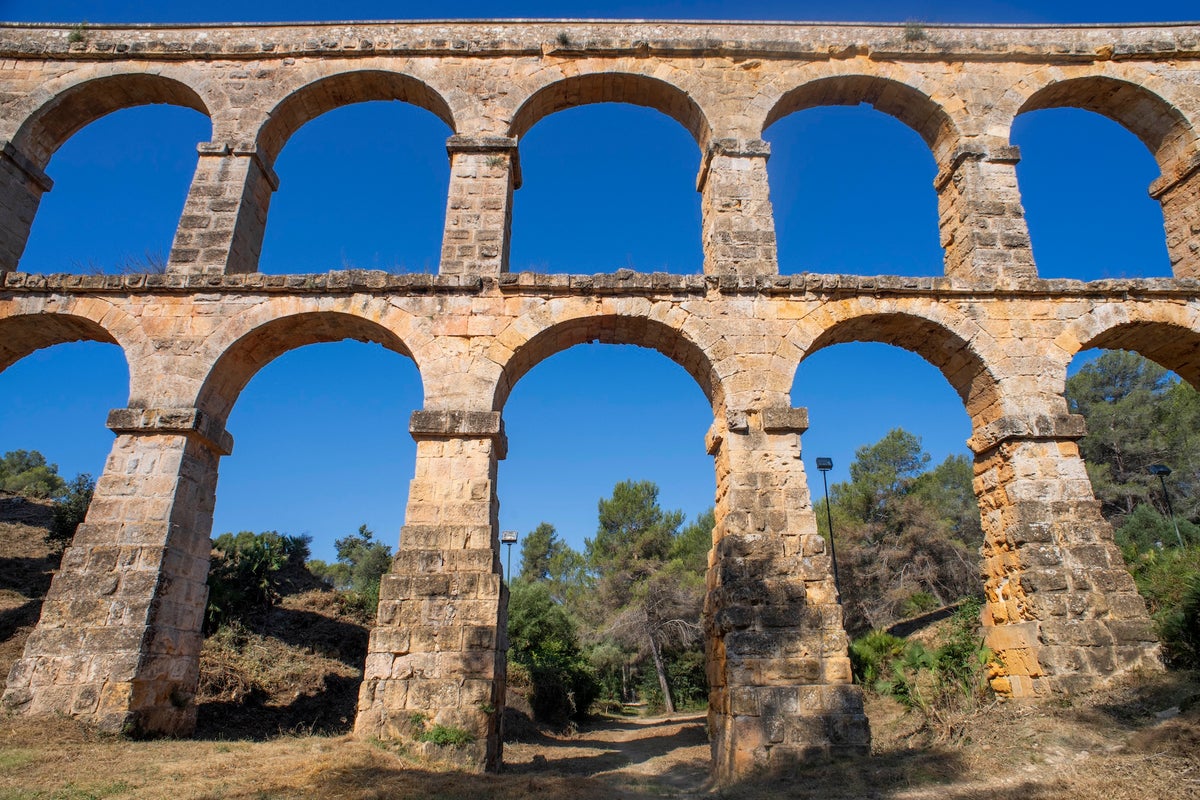
The true brilliance of this hot-mix method lies in what happens next. When cracks inevitably form in concrete, whether from seismic activity, settling, or simple wear and tear, rainwater can

About admin
A curious explorer documenting the intersection of science and travel. Join the journey to discover the hidden stories of our planet.
Leave a Reply