
Sydney’s food scene is booming—here’s what to try now
Deep in the ancient, sun-dappled leaf litter of a Sydney suburban garden, or clinging steadfastly to the craggy bark of an ancient eucalypt in the sprawling Royal National Park, a different kind of ‘food scene’ plays out daily. It’s a scene largely invisible to the casual observer, yet it is arguably the most vibrant, complex, and utterly essential culinary drama unfolding across this continent. As the Resident Entomologist for Wandering Science, I spend my days peering into this hidden world, a bustling metropolis of life where the smallest players orchestrate the grandest feasts and lay the very foundation for everything we humans cherish, from the crisp oysters pulled from our harbours to the bush tucker celebrated in our finest restaurants.
Forget the Michelin stars; here, life itself is the ultimate critic. From the iridescent flash of a jewel beetle spiralling skyward, to the silent, patient vigil of a camouflaged praying mantis, every creature is either diner or dinner, a participant in a ceaseless exchange of energy that keeps our world humming. This isn’t just about survival; it’s about an intricate, often brutal, ballet of consumption and decomposition, pollination and predation, a ceaseless cycle that ensures the fertility of our soils, the health of our plants, and ultimately, the bounty on our plates. It’s a subterranean and arboreal network, a living engine driving the very ecosystems that support Sydney’s more visible gastronomic delights.
Consider the humble dung beetle, a creature often dismissed but whose contribution to the planet’s food scene is nothing short of monumental. Watch one meticulously sculpt a perfect sphere of excrement, often many times its own body weight, before rolling it with astonishing precision across the landscape. This isn’t just a quirky behaviour; it’s an act of profound ecological engineering. By burying dung, these beetles aerate the soil, return vital nutrients, and prevent the build-up of parasites that could harm livestock. In a single day, a population of these efficient recyclers can clear vast areas, ensuring pastures remain healthy and productive. Their relentless work directly impacts the quality of grazing lands, which in turn influences the meat and dairy products that eventually grace Sydney’s tables. It’s a prime example of how the most overlooked organisms perform unsung heroics, driving the unseen gears of our natural world.
This intricate web extends far beyond waste management. Insects and arachnids are the foundational architects of nearly every ecosystem, acting as the primary decomposers, the diligent pollinators, and the essential pest controllers. Without the tireless work of countless beetles, mites, and springtails, leaf litter would pile up indefinitely, locking away nutrients crucial for plant growth. Imagine Sydney’s iconic Royal Botanic Garden, its vibrant flora, its towering trees – none could thrive without the ceaseless efforts of these tiny, hidden workers breaking down organic matter, enriching the soil, and making nutrients available for new life. They are the unseen chefs, preparing the very ingredients for the entire biological kitchen.
Then there are the pollinators, the unsung heroes responsible for so much of the produce we enjoy. While European honeybees often get the credit, Australia boasts over 1,700 species of native bees, alongside a dizzying array of flies, beetles, moths, and even wasps, all contributing to the fertilisation of both native bush food plants and agricultural crops. From the macadamias to the mangoes, the berries to the beans, a significant portion of what we consume is a direct result of their tireless flight from flower to flower. Our orchards, market gardens, and even the wild bushlands providing indigenous ingredients for modern cuisine would simply not exist in their current abundance without these buzzing, crawling matchmakers. They are the essential delivery service, ensuring future harvests.
But the “food scene” isn’t just about what we eat directly; it’s about the entire food chain. Insects and arachnids form the critical base of countless food webs. They are the primary protein source for a vast array of birds, lizards, frogs, and even small mammals. Consider the azure kingfisher darting along a Sydney creek, or the blue-tongue lizard basking in a suburban garden – their survival directly hinges on a healthy population of insects. Without this foundational layer, the ripple effect would be catastrophic, impacting everything up to the apex predators and, ultimately, the overall health of our environment. The fish in the new Sydney Fish Market, for instance, are part of an aquatic food chain that ultimately relies on healthy terrestrial and freshwater ecosystems, where insects play a vital role in nutrient cycling and supporting various life forms that feed the fish.
So, where can a curious traveler, keen to truly understand the pulse of Sydney’s living “food scene,” go to witness these marvels? The beauty is, you don’t need to venture far. Your own backyard is a prime viewing spot. Spend an evening with a flashlight in your garden; you’ll discover an entirely different shift of workers: moths fluttering like animated dust motes, crickets serenading the night, and perhaps even a formidable huntsman spider patrolling for prey. Gently lift a pot or a rock, and you’ll reveal woodlice, earwigs, and beetles scurrying about their business. Remember to always return anything you disturb exactly as you found it.
For a deeper immersion, Sydney’s extensive parklands and bush reserves offer unparalleled opportunities. Centennial Park, right in the heart of the city, is a surprisingly rich habitat. Look closely at the flowers for native bees and hoverflies. Observe the surface of ponds for water striders and dragonflies. Head further afield to the truly wild expanses of the Royal National Park or Ku-ring-gai Chase National Park. Here, a slow walk along a bush track becomes a safari. Examine the bark of eucalyptus trees for camouflaged stick insects or the intricate webs of orb-weaver spiders. Peer into the leaf litter for beetles, ants, and the tell-tale signs of trapdoor spiders. Even a quiet sit by a flowering bush can reveal a kaleidoscope of pollinating insects at work, each a tiny cog in the grand machinery of life.
Consider joining a local nature walk or a citizen science project focusing on invertebrates. Many local councils and environmental groups in Sydney offer guided tours that highlight the smaller residents of our ecosystems. These experiences not only provide expert insights but also contribute to our collective understanding of these vital creatures. Armed with a simple magnifying glass or even just the macro setting on your smartphone camera, you can unlock a universe of intricate detail and astonishing behaviour that typically goes unnoticed.
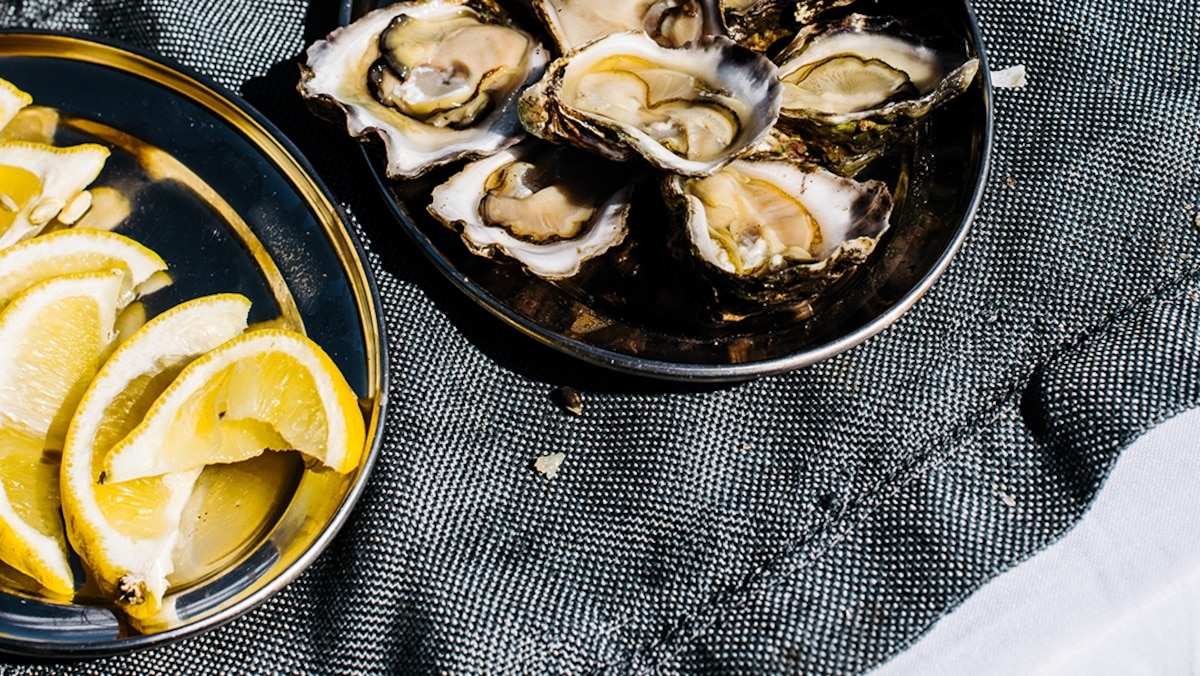
Understanding Sydney’s true “food scene” means appreciating the profound impact of its smallest inhabitants. They are not merely “bugs” to be tolerated or eradicated; they are the essential, tireless workers, the ingenious architects, and the foundational ingredients of every ecosystem. They recycle, they pollinate, they control, and they feed. The next time you savour a fresh local oyster, enjoy a vibrant salad, or taste a unique bush food, take a moment to consider the hidden world of insects and arachnids. Their ceaseless, vibrant activity in the shadows and beneath our feet is what allows Sydney’s celebrated gastronomic landscape to flourish, making them truly the most critical, yet often uncredited, contributors to everything we eat and enjoy.

About admin
A curious explorer documenting the intersection of science and travel. Join the journey to discover the hidden stories of our planet.
Leave a Reply