
Heterocellular crosstalk and architecture of the pancreatic tumour microenvironment
Deep in the leaf litter, where sunlight struggles to penetrate and the air hangs heavy with the scent of decay and damp earth, a drama unfolds with an intensity few ever witness. It is a world sculpted by minute forces, a universe of whispered signals and intricate constructions. Here, a velvet mite, a crimson jewel barely larger than a pinhead, navigates a forest of fungal hyphae, its delicate legs testing the substrate. Nearby, a springtail, propelled by its furcula, executes a gravity-defying leap to escape the shadow of a predatory ground beetle. This isn’t just chaos; it’s an orchestra of life, each tiny player contributing to a grand, unseen symphony, a vibrant, living architecture built on the ceaseless exchange of information and energy.
As the Resident Entomologist for ‘Wandering Science’, my passion lies in pulling back the curtain on these hidden realms. We often marvel at the vastness of space or the depths of the ocean, yet beneath our very feet, within the bark of a tree, or even inside the walls of our homes, exists an equally complex, equally astonishing cosmos. Insects and arachnids, often dismissed as mere “bugs,” are the engineers, the decomposers, the pollinators, and the silent guardians of nearly every terrestrial ecosystem. Their interactions, their communication, their very existence, are a continuous flow of data, a biological internet that underpins the health of our planet. Understanding this ‘crosstalk’ – the constant, multi-faceted exchange between different species and even within individuals – is key to appreciating the profound sophistication of life itself.
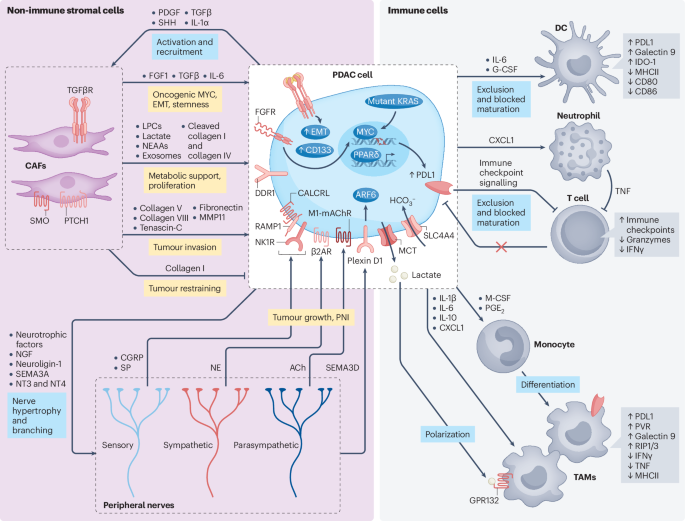
Consider the humble ant colony, a marvel of collective intelligence and architectural prowess. Within the labyrinthine passages of their subterranean cities, millions of individuals engage in a ceaseless ‘heterocellular crosstalk’. Chemical signals, called pheromones, are the language, dictating everything from foraging paths and alarm responses to caste differentiation and nest construction. A scout ant discovers a food source and lays a chemical trail, a beacon guiding her sisters. When a threat emerges, a different pheromone spreads like wildfire, mobilizing defenders. This isn’t just a simple message; it’s a dynamic, evolving dialogue. The presence of a new queen, a change in humidity, the availability of resources – all these factors influence the colony’s behavior and physical structure, demonstrating a profound, adaptive architecture. Scientific studies, often involving painstaking observation and chemical analysis, reveal how these intricate signals allow a seemingly simple organism to achieve complex feats. We see this not just in ants, but in the elaborate dances of honeybees communicating nectar locations, the bioluminescent flashes of fireflies signaling mates, or the vibrational messages passed through silk threads by spiders. Each interaction, each signal, contributes to a robust, self-organizing system, a living blueprint of survival and adaptation.
Beyond the individual species, this ‘crosstalk’ extends across entire ecosystems. Take the intricate dance between plants and their insect pollinators. A flower’s vibrant color, its alluring scent, the precise shape of its petals – these are all invitations, advertisements designed to attract specific insects. In return, the insect, often unknowingly, carries pollen from one bloom to another, ensuring the plant’s reproduction. This is a mutually beneficial exchange, a biological negotiation that has shaped the evolution of countless species. But the web of interaction is far wider. Decomposers like dung beetles and termites tirelessly recycle organic matter, turning waste into nutrient-rich soil. Predators like mantises and assassin bugs regulate insect populations, preventing any single species from overwhelming the ecosystem. Parasitoid wasps lay their eggs inside other insects, a macabre yet vital mechanism for maintaining ecological balance. Every bite, every flight, every burrow, contributes to a vast, interconnected network where information and energy flow constantly, shaping the very ‘architecture’ of our natural world. Disrupt one thread, and the entire structure trembles. The decline of bee populations, for instance, sends ripples through agricultural systems and wild plant communities alike, a stark reminder of our dependence on these often-unseen laborers.
The beauty of this hidden world is that it’s not confined to remote jungles or pristine wildernesses. It exists everywhere, waiting for curious eyes and patient minds. As a ‘Wandering Science’ enthusiast, you don’t need a passport to explore it. Your own backyard, a local park, or even a potted plant on your windowsill can be a gateway to discovery. To truly appreciate the ‘heterocellular crosstalk’ and the ‘architecture’ of these micro-environments, all you need is a willingness to slow down and look closer. Spend an hour observing an ant trail, noting how they communicate and navigate obstacles. Watch a spider meticulously repair its web after a morning’s dew. In the evening, with a flashlight, observe the nocturnal moths drawn to your porch light or the crickets chirping their ancient songs. A simple magnifying glass can transform a patch of grass into an alien landscape teeming with life. Consider joining citizen science projects that track pollinator populations or identify local insect species; your observations can contribute to real scientific understanding.
Travelers seeking more immersive experiences can find them in national parks and protected areas, which act as living laboratories for entomological study. Rainforests, with their incredible biodiversity, offer unparalleled opportunities to witness bizarre and beautiful insect life. Deserts, surprisingly, host a unique array of nocturnal beetles, scorpions, and fascinating ants. Even temperate forests reveal wonders: the iridescent flash of a dragonfly over a pond, the camouflaged elegance of a stick insect, or the intricate tunnels of wood-boring beetles. But remember, the most profound discoveries often happen not in grand expeditions, but in moments of quiet observation. It’s about cultivating a new way of seeing, training your eyes to perceive the vibrant, bustling universe that unfolds at a smaller scale. These creatures, in their endless diversity and astounding adaptations, are not just “bugs”; they are the very threads that weave the fabric of life, and in understanding their complex interactions, we gain a deeper appreciation for the delicate, resilient architecture of our shared planet. So, next time you step outside, take a moment. Look down. The world is waiting to reveal its secrets.

About admin
A curious explorer documenting the intersection of science and travel. Join the journey to discover the hidden stories of our planet.
Leave a Reply