
Bereaved parents fear delays to social media ban could harm children
The quiet hum of a server farm, miles away, often feels disconnected from the intimate silence of a child’s bedroom. Yet, in that digital space, algorithms are constantly at work, shaping realities, amplifying whispers, and sometimes, inadvertently, paving paths to despair. For parents like Esther Ghey and Alison Roome, that silent hum has become an ominous echo, a reminder of the chasm between the promise of connection and the precipice of peril that social media platforms present to the young.
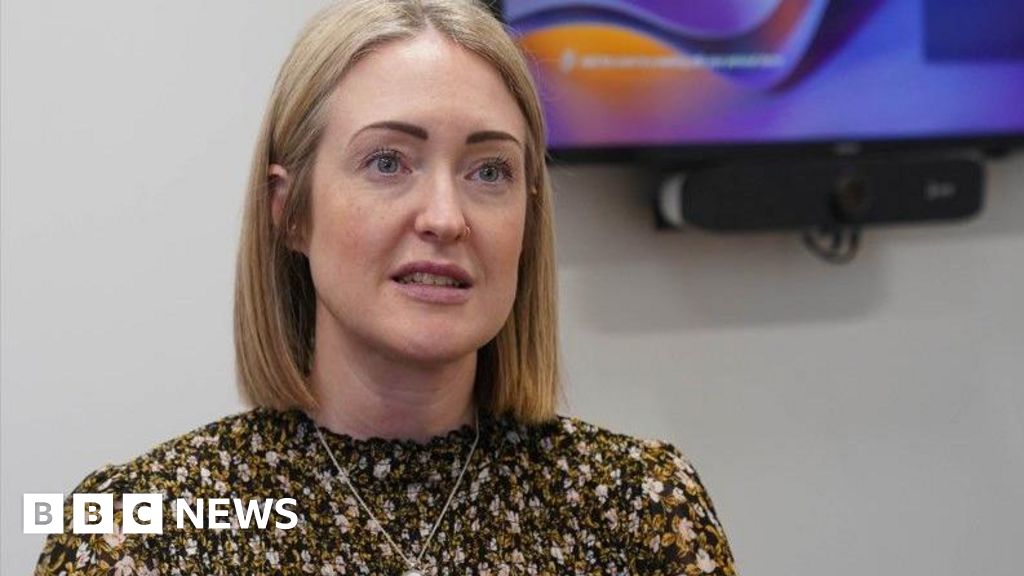
Their voices, now amplified by unimaginable loss, speak not just of personal tragedy but of a systemic vulnerability. They stand as poignant reminders that behind every screen lies a developing mind, susceptible to influence, seeking validation, and navigating a world far more complex than any previous generation. The fear they articulate is visceral: that delays in implementing crucial online safety measures are not merely bureaucratic hiccups but active threats, allowing the digital currents that swept away their children to continue pulling others into dangerous waters.
Understanding this vulnerability requires more than just anecdotal evidence; it demands a rigorous examination of the hard science underpinning adolescent brain development and the psychological impacts of prolonged digital engagement. Research in neurobiology highlights the unique architecture of the adolescent brain, particularly the prefrontal cortex, which is still maturing well into the mid-20s. This region is crucial for impulse control, risk assessment, and long-term planning. Simultaneously, the limbic system, associated with reward and emotion, is highly active, making teenagers particularly susceptible to immediate gratification and social validation – precisely what social media platforms are designed to provide. Dopamine pathways, central to reward processing, are heavily engaged by likes, shares, and new notifications, creating a powerful feedback loop that can resemble addiction. Studies utilising functional MRI have shown increased activation in reward circuitry when adolescents receive positive social feedback online, reinforcing behaviours that seek such validation, sometimes at the expense of real-world interactions or mental well-being.
Beyond neurological predispositions, psychology and sociology offer further insights. Concepts like social comparison theory, where individuals evaluate themselves against others, are amplified in the curated, often unrealistic, worlds presented on platforms. This can lead to increased anxiety, depression, and body image issues. Cyberbullying, a pervasive issue, leverages the anonymity and distance of the internet to inflict harm, often with more severe and lasting consequences than traditional bullying due to its relentless and public nature. Furthermore, algorithmic amplification, designed to maximise engagement, can inadvertently expose young users to harmful content, from self-harm promotion to extremist ideologies. These algorithms, trained on vast datasets, can quickly funnel users down rabbit holes, creating echo chambers where dangerous narratives are reinforced and alternative viewpoints are suppressed. The scientific community has increasingly published meta-analyses and longitudinal studies correlating high levels of social media use with poorer mental health outcomes in adolescents, particularly girls, pointing to a clear and present danger that transcends mere speculation.
The broader context of this urgent appeal from bereaved parents sits squarely within the global struggle to regulate an increasingly pervasive digital landscape. In the UK, the Online Safety Act, designed to make internet companies more accountable for content on their platforms, represents a significant legislative effort. Yet, the very complexity of its implementation, particularly regarding the definition and removal of “legal but harmful” content, has led to delays. Ofcom, the designated regulator, faces the monumental task of translating abstract legal frameworks into enforceable operational guidelines for tech giants whose business models often rely on the very engagement mechanisms now under scrutiny. This regulatory dance is not unique to the UK; governments worldwide grapple with similar challenges, from the European Union’s Digital Services Act to ongoing debates in the United States and Australia. The ethical tightrope walk involves balancing the imperative to protect children with concerns over freedom of expression and the potential for overreach or censorship. The sheer scale and borderless nature of these platforms mean that national regulations, while crucial, are often playing catch-up to the rapid evolution of digital technologies and user behaviours. The mothers of Brianna Ghey and Jools Roome, through their advocacy, embody the human cost of this regulatory lag, transforming personal grief into a powerful catalyst for policy change, urging a faster, more decisive approach to safeguard future generations.
For the non-scientist, the ‘Wandering Science’ traveler seeking to witness this phenomenon firsthand, the journey is less about traversing continents and more about observing the subtle, yet profound, shifts within our own communities and homes. One might begin by simply observing the ubiquitous presence of screens in public spaces – parks, cafes, public transport – and the quiet immersion of young people within their digital worlds. Attend a local parent-teacher association meeting or a community forum discussing digital literacy and online safety; these gatherings often reveal the anxieties and questions that parents and educators grapple with daily. Seek out local charities or support groups dedicated to youth mental health or cyberbullying prevention; their firsthand accounts and insights are invaluable. Engage in conversations with young people themselves, creating a safe space for them to articulate their experiences, both positive and negative, with social media. What do they find empowering? What frightens them? What do they wish adults understood?
Beyond observation, active participation offers another lens. Volunteer with initiatives that promote critical thinking about online content or that provide digital well-being resources. Support organisations that advocate for stronger online safety legislation. The “traveler’s perspective” here becomes an exercise in conscious engagement, moving beyond passive consumption of news to active participation in the dialogue and solutions. It means recognising that the digital landscape is not some distant, abstract realm but an integral part of our social fabric, impacting the well-being of the children in our immediate surroundings. By listening to the echoes of grief from parents like Esther Ghey and Alison Roome, and by engaging with the scientific insights into adolescent vulnerability, we are called to not just witness, but to act, ensuring that the promise of connection doesn’t continue to overshadow the peril for our young explorers of the digital frontier.

About admin
A curious explorer documenting the intersection of science and travel. Join the journey to discover the hidden stories of our planet.
Leave a Reply